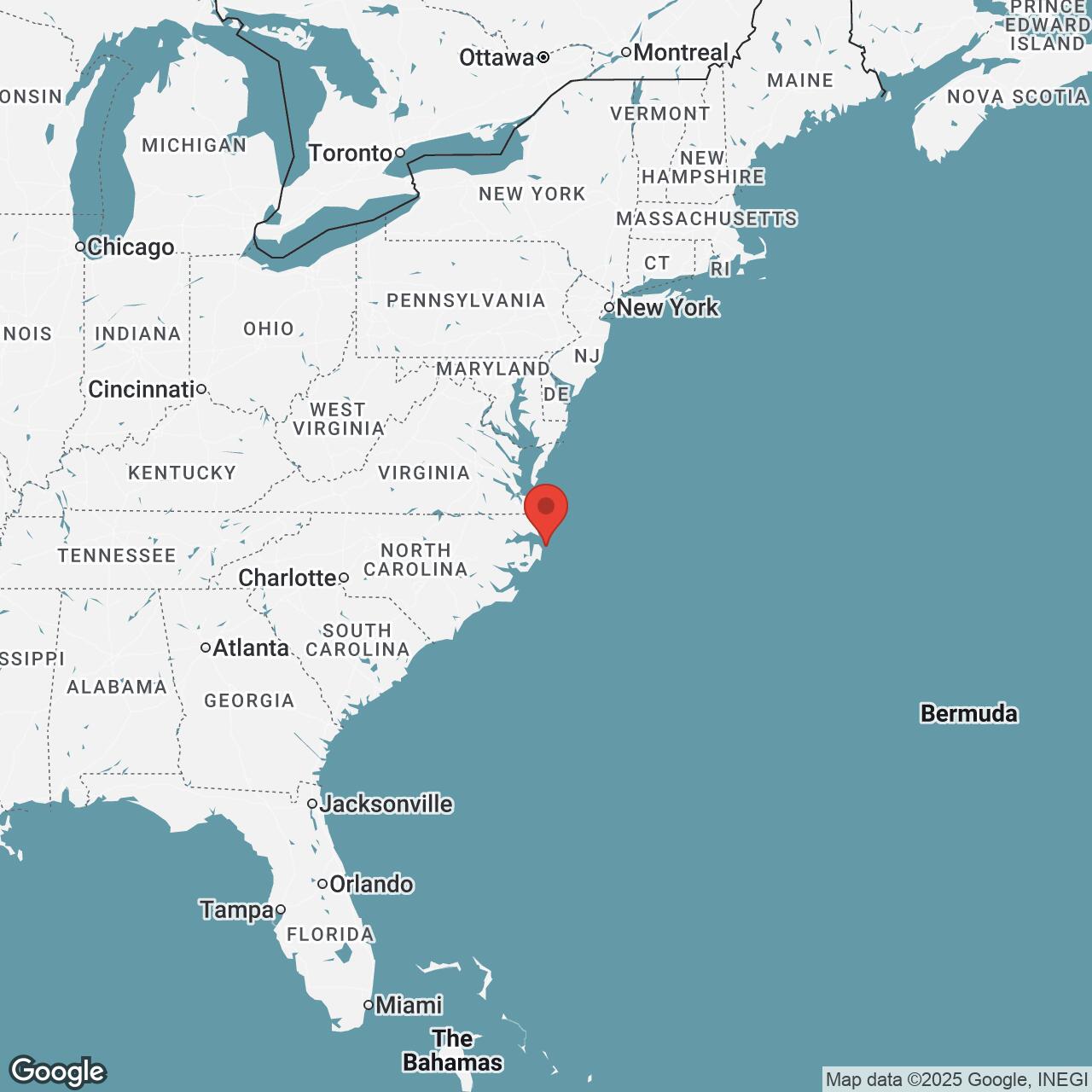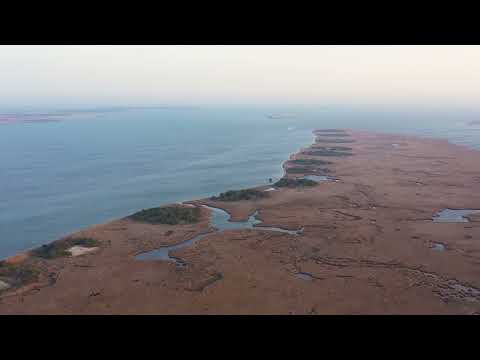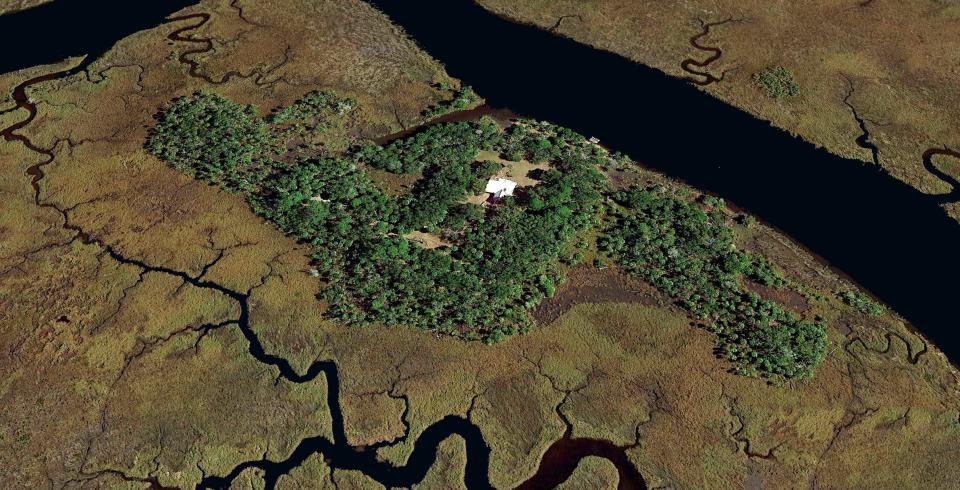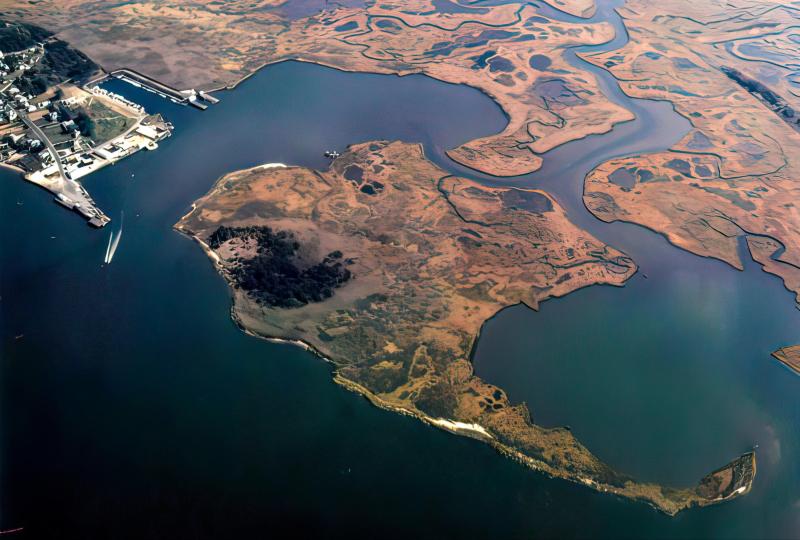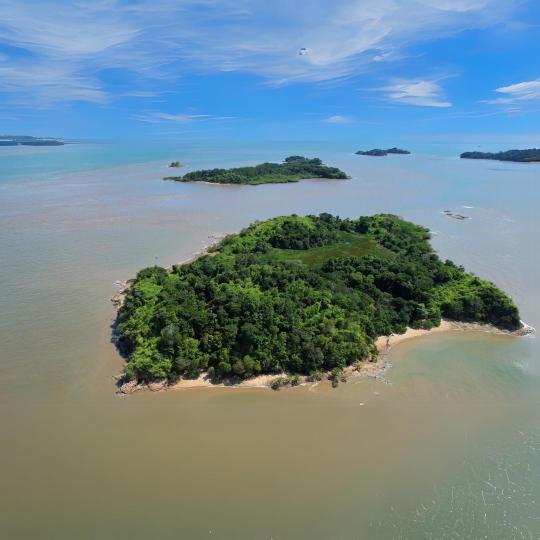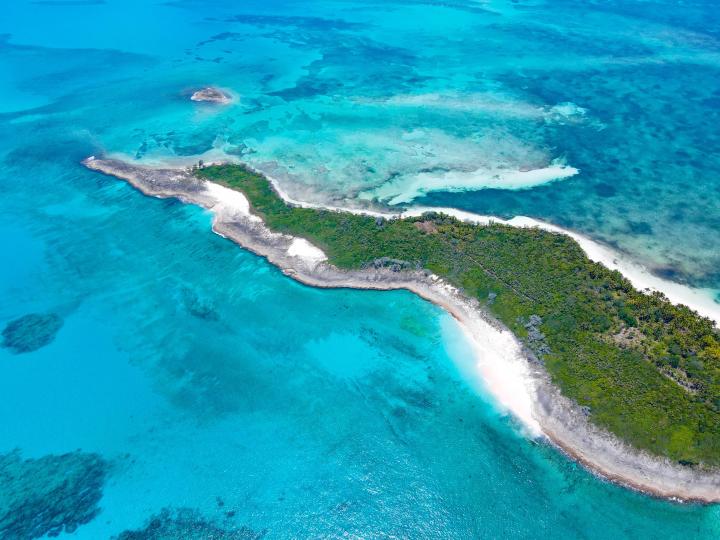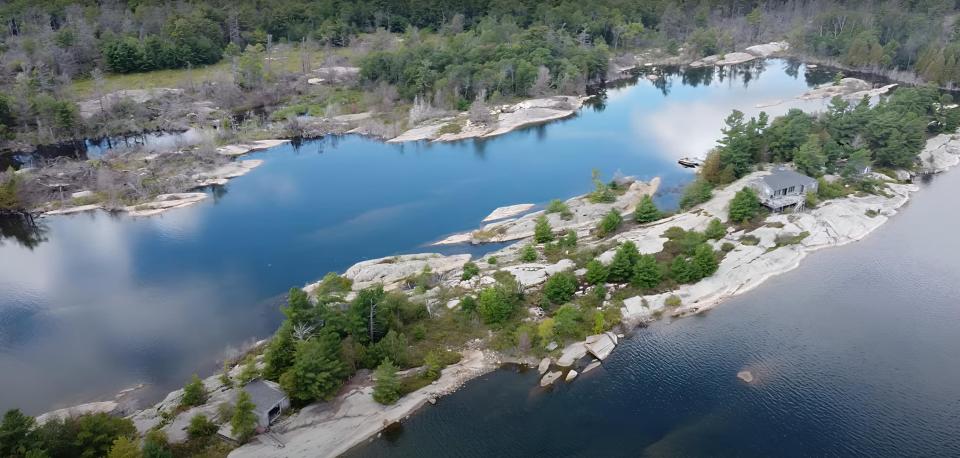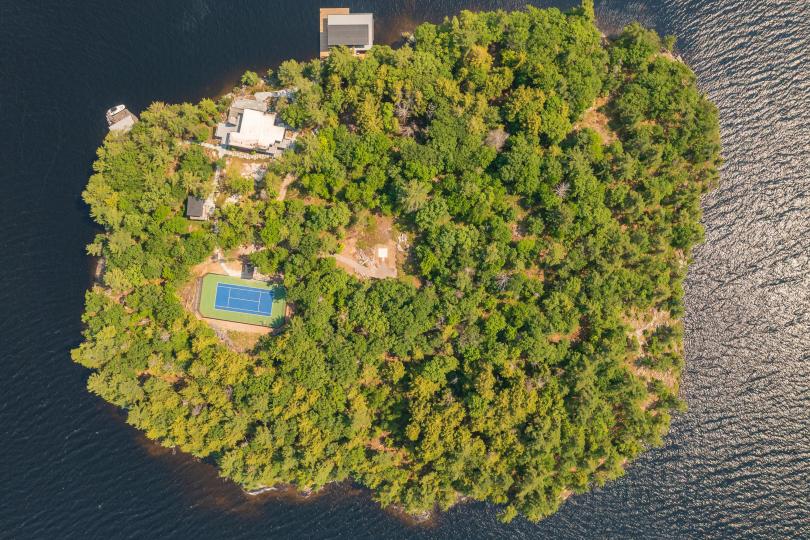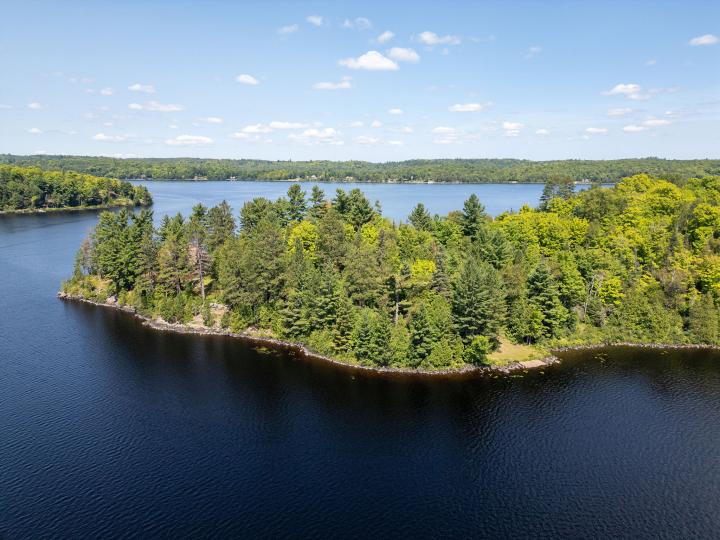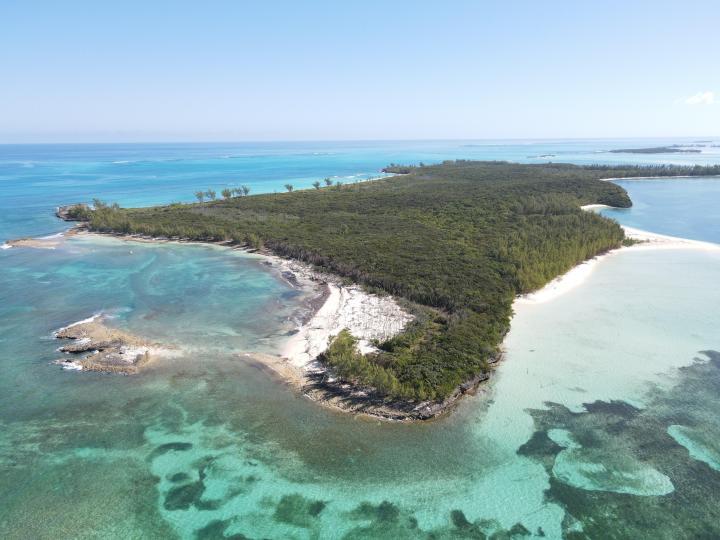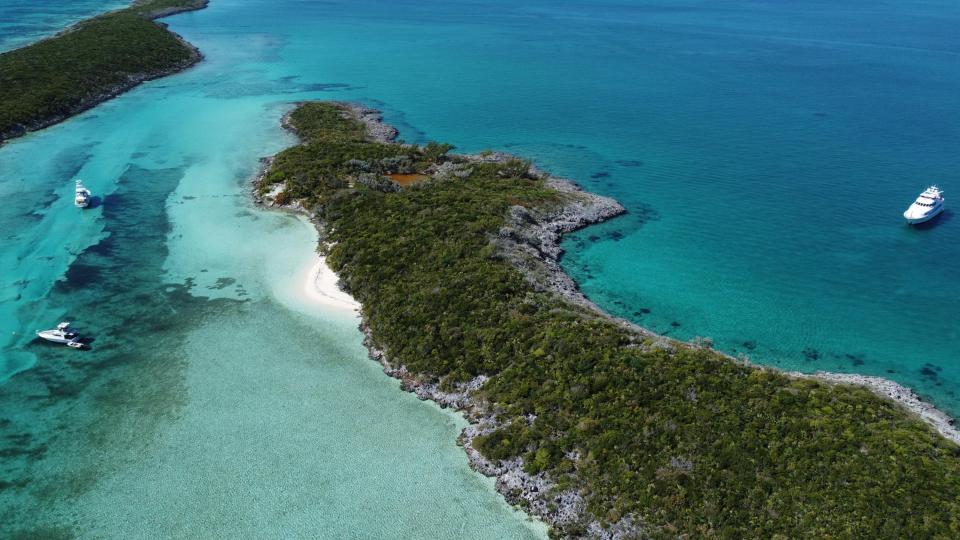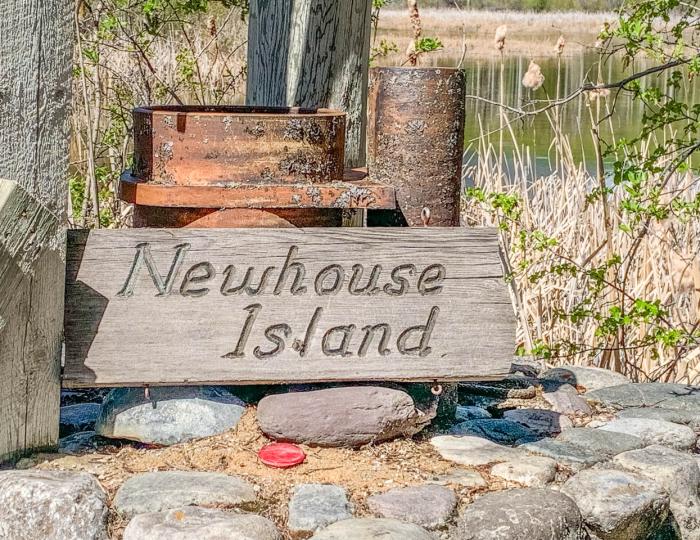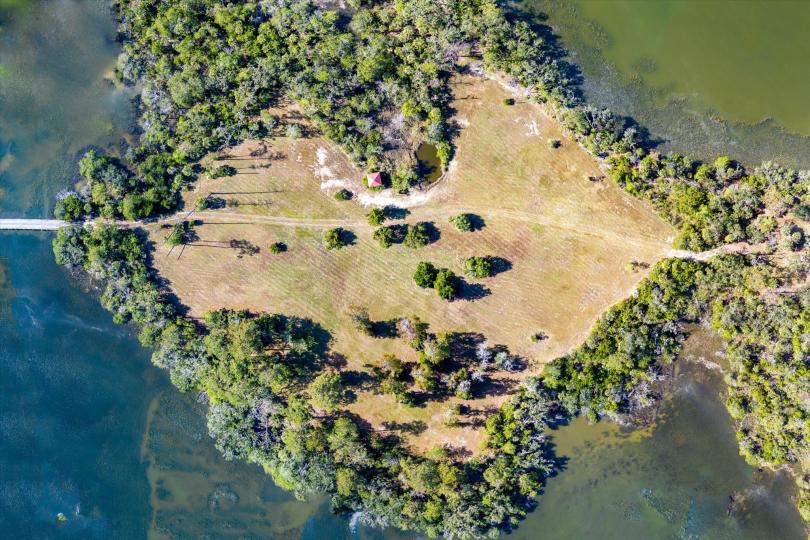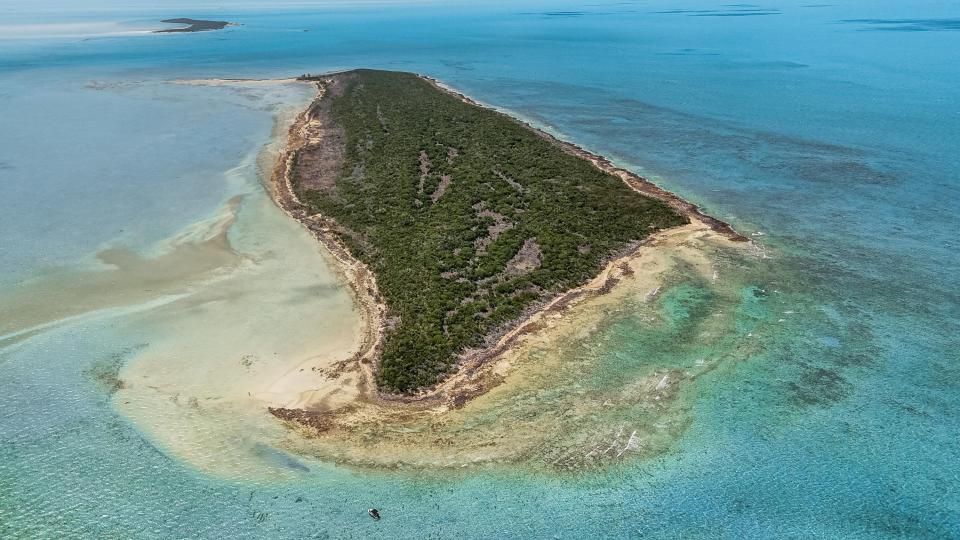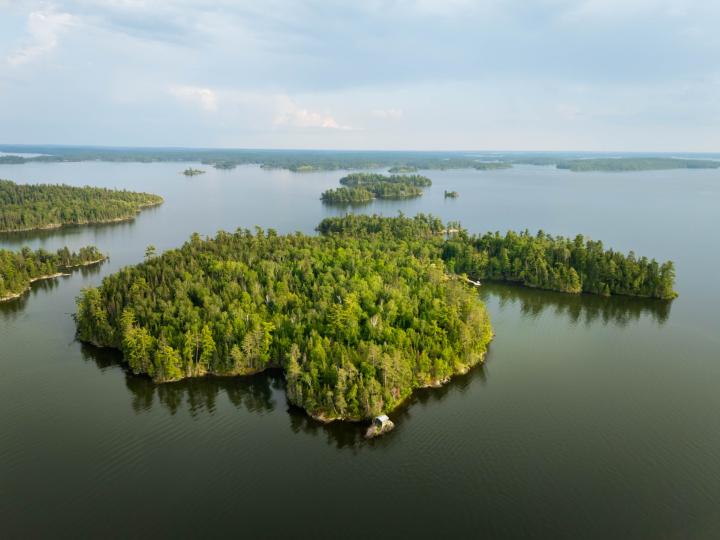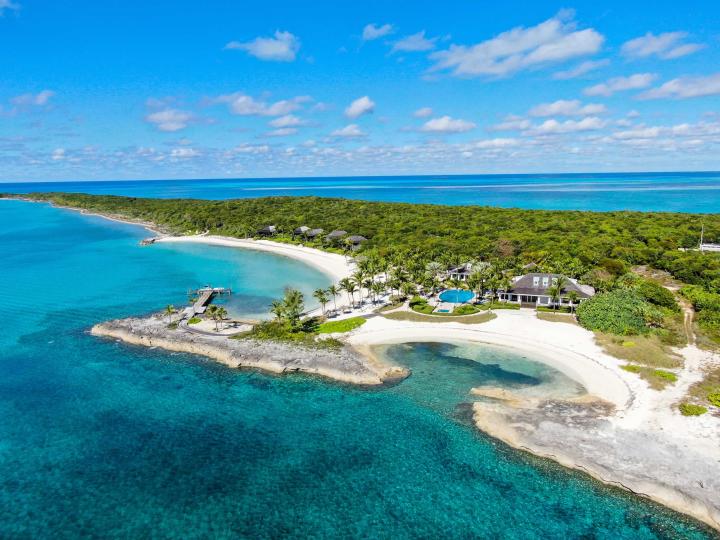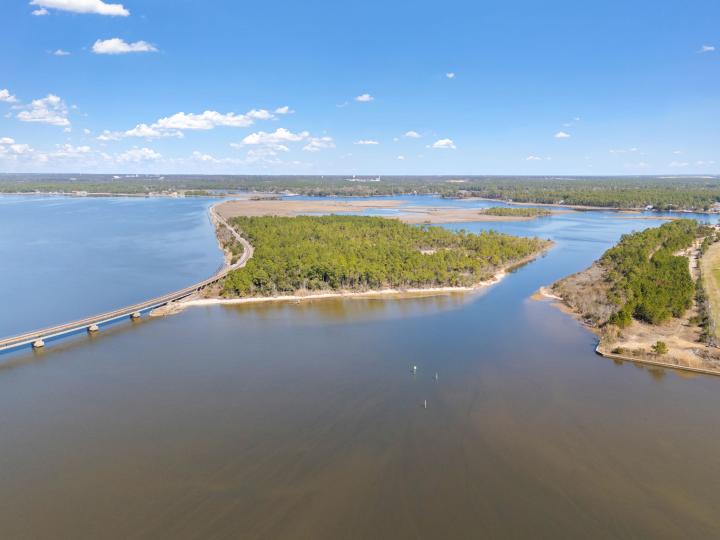
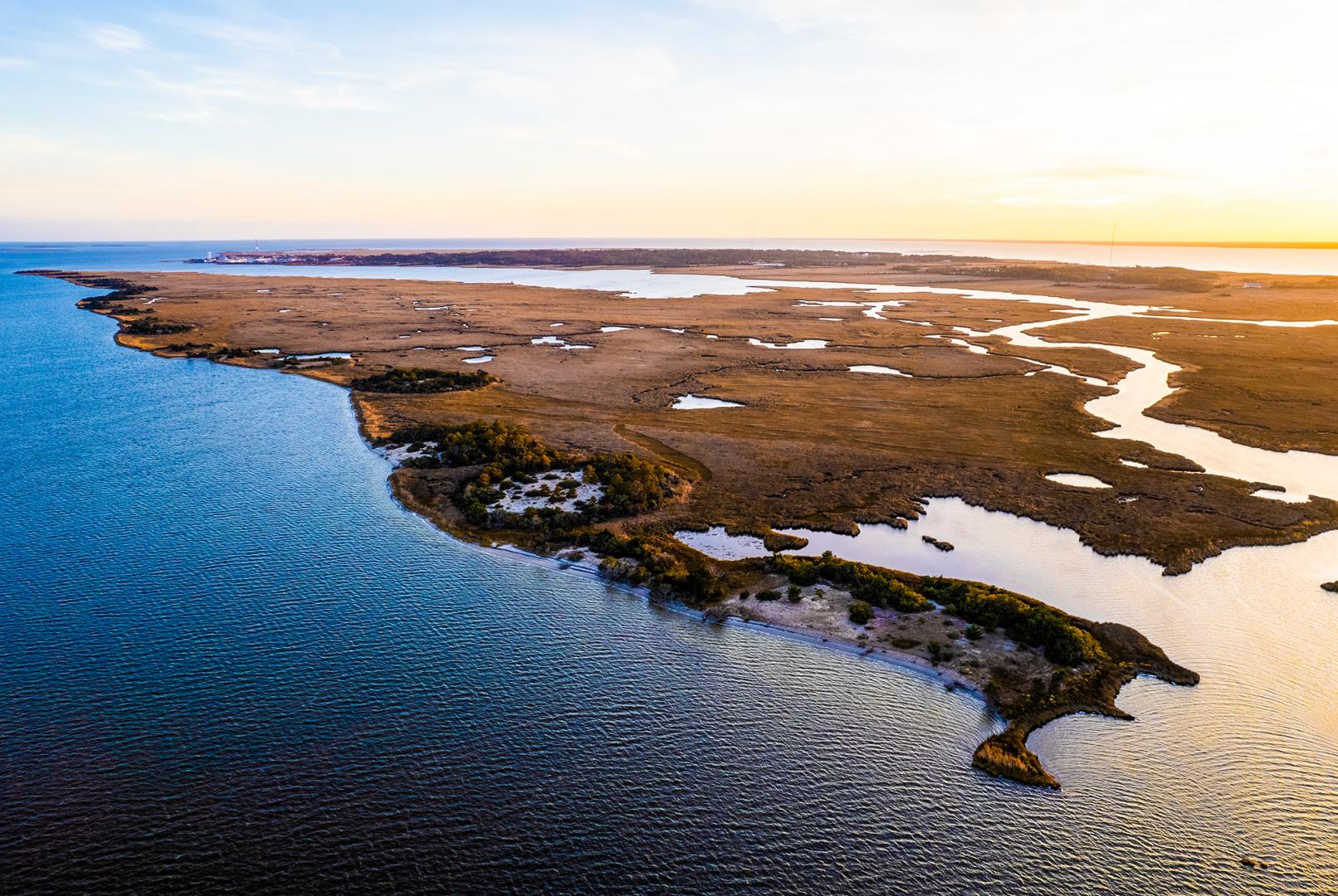
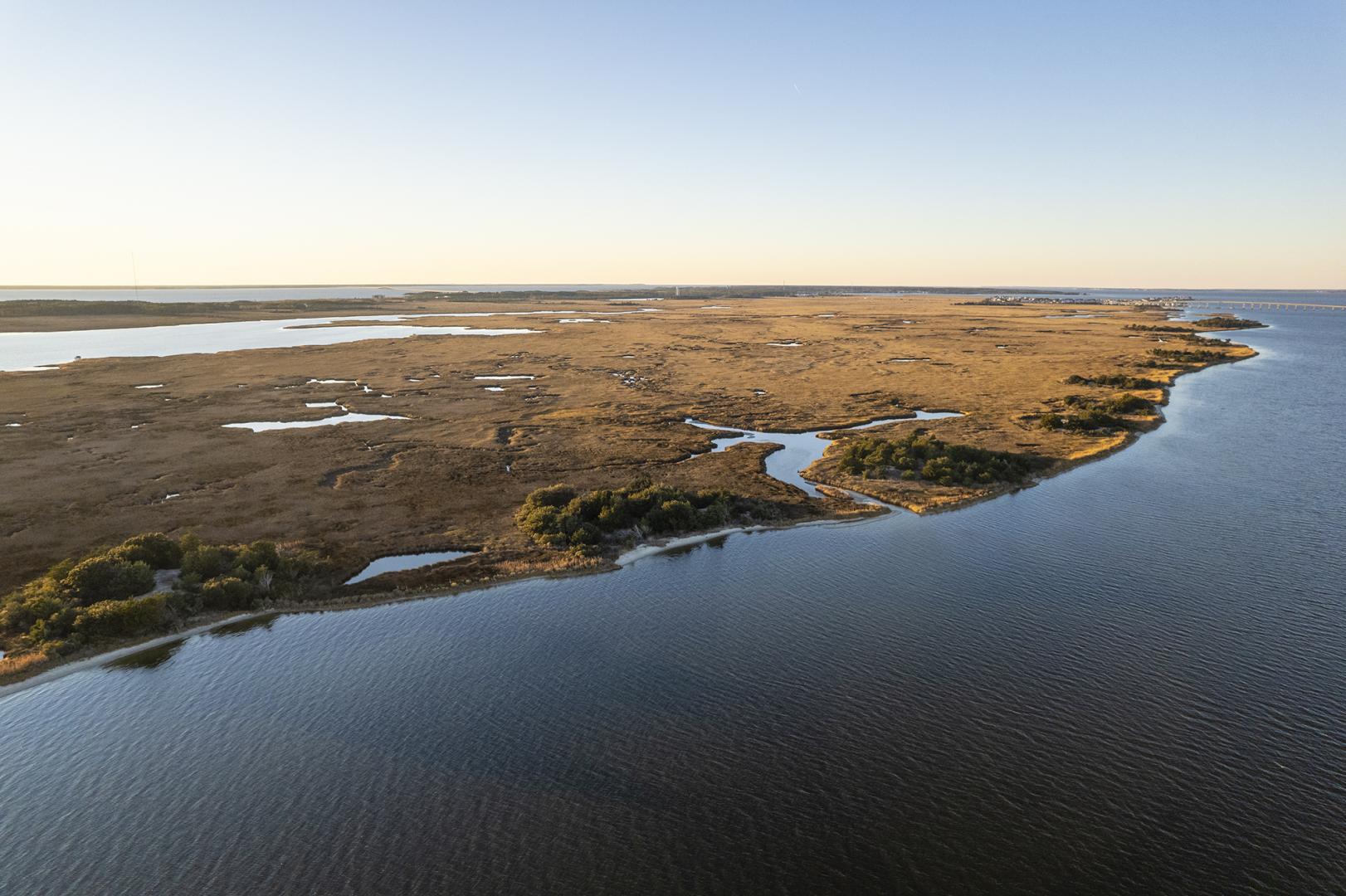
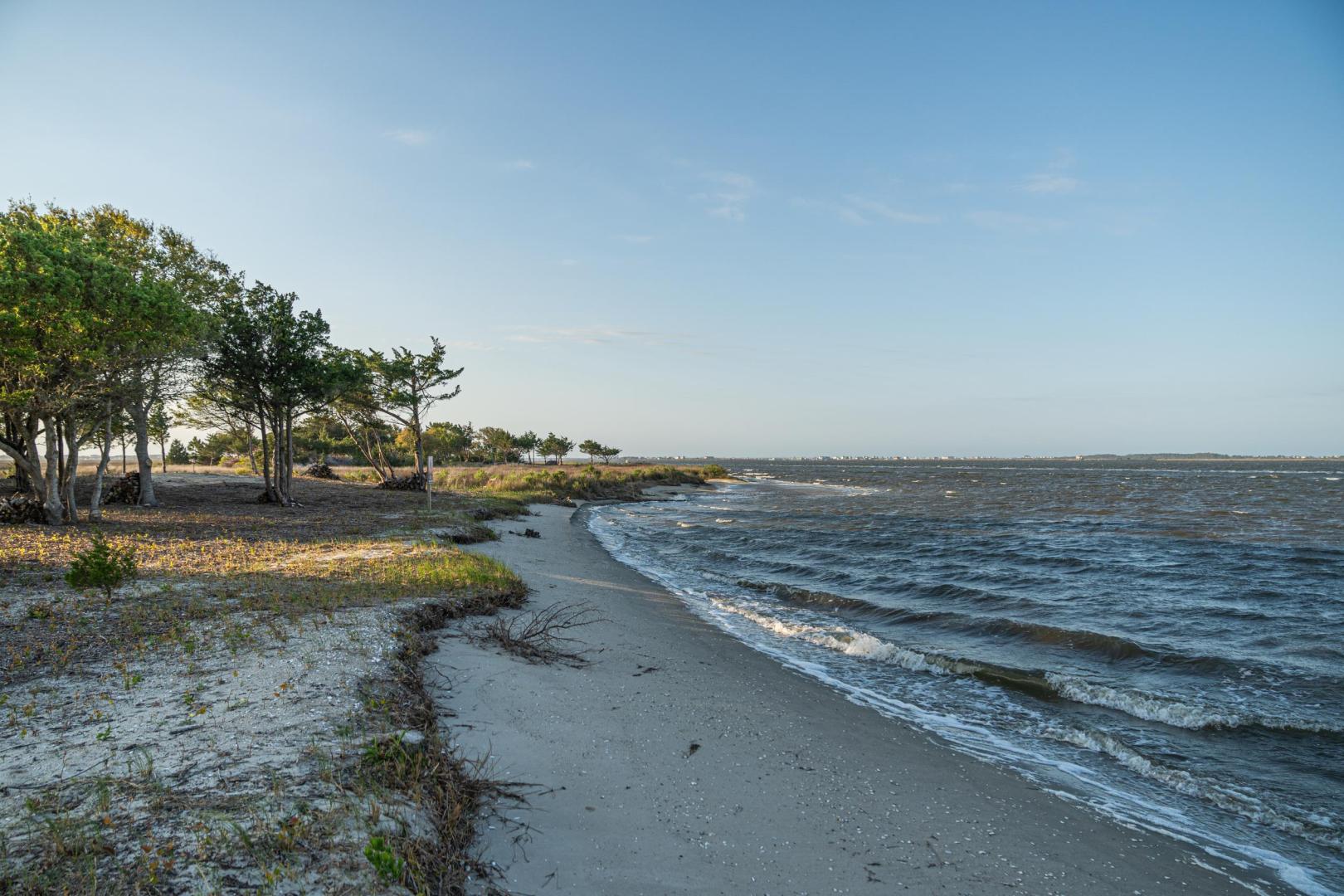
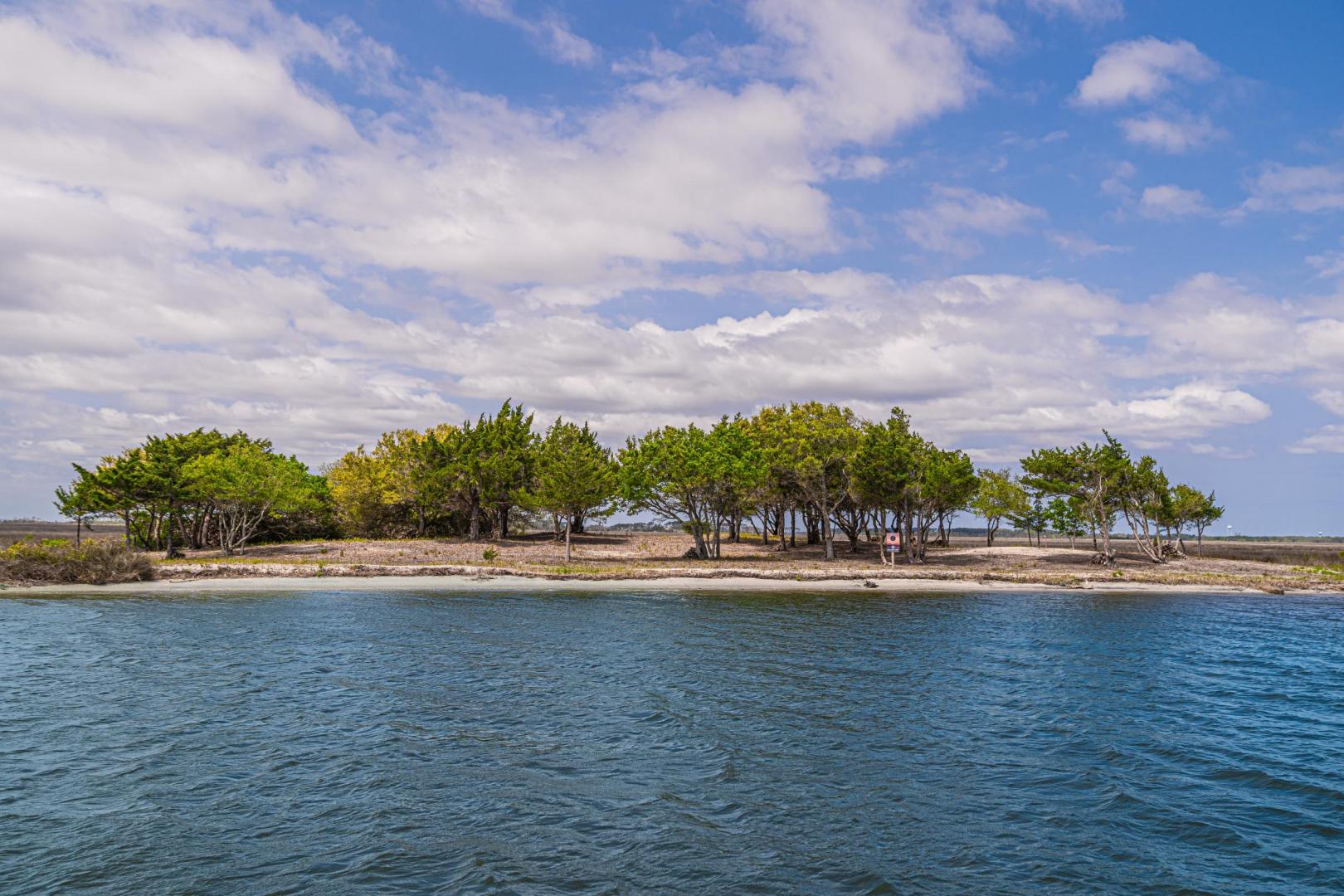
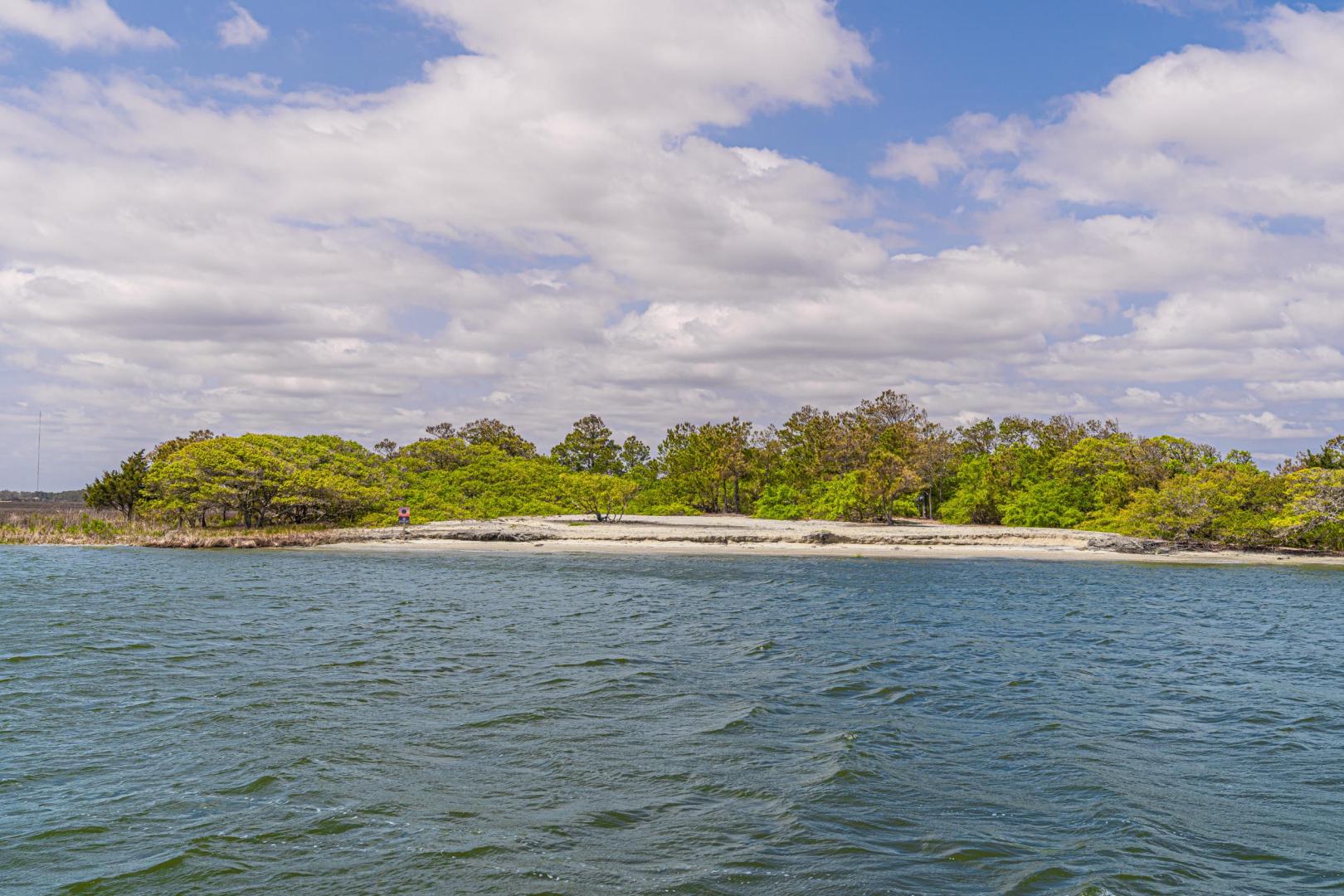
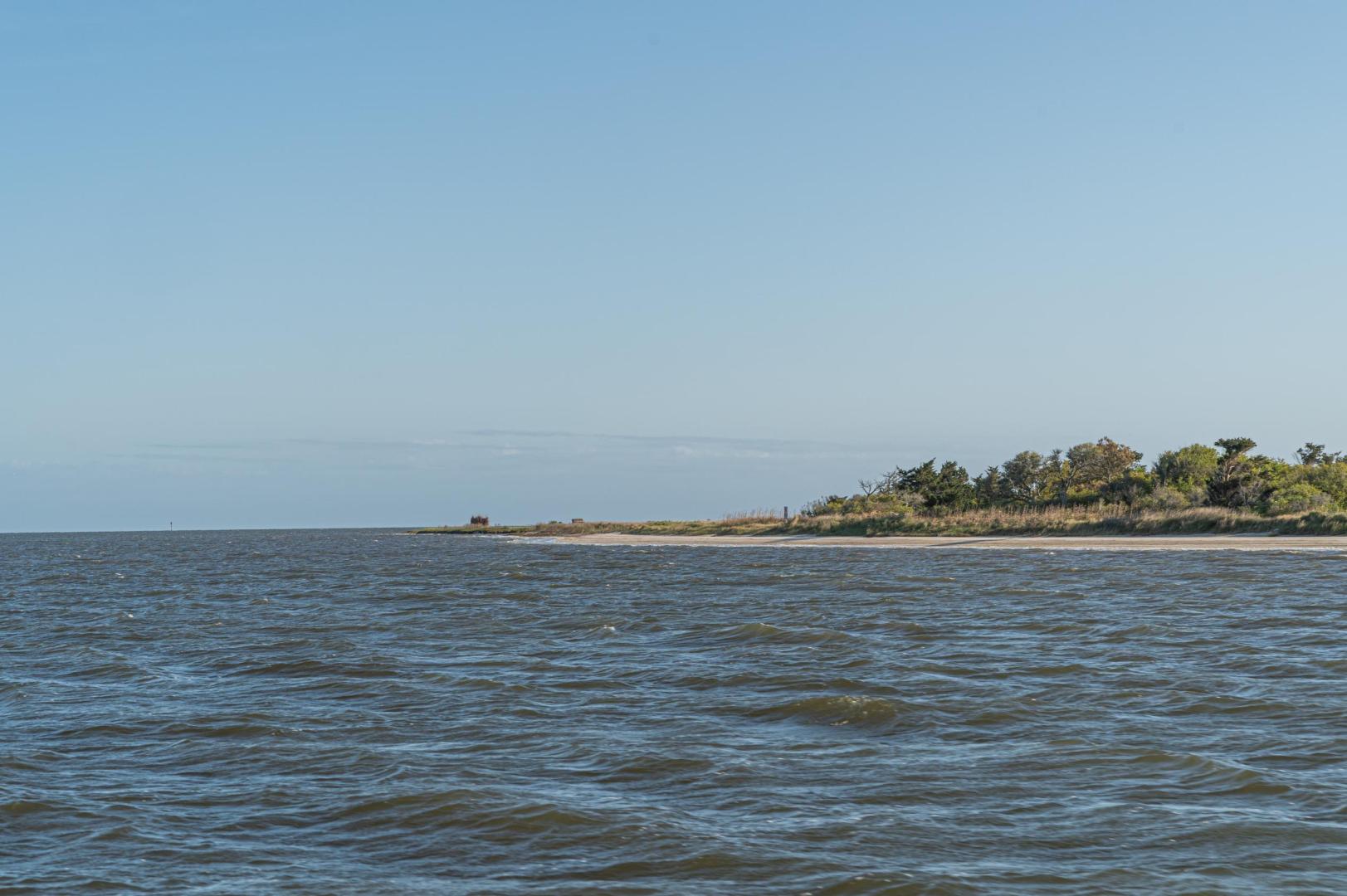
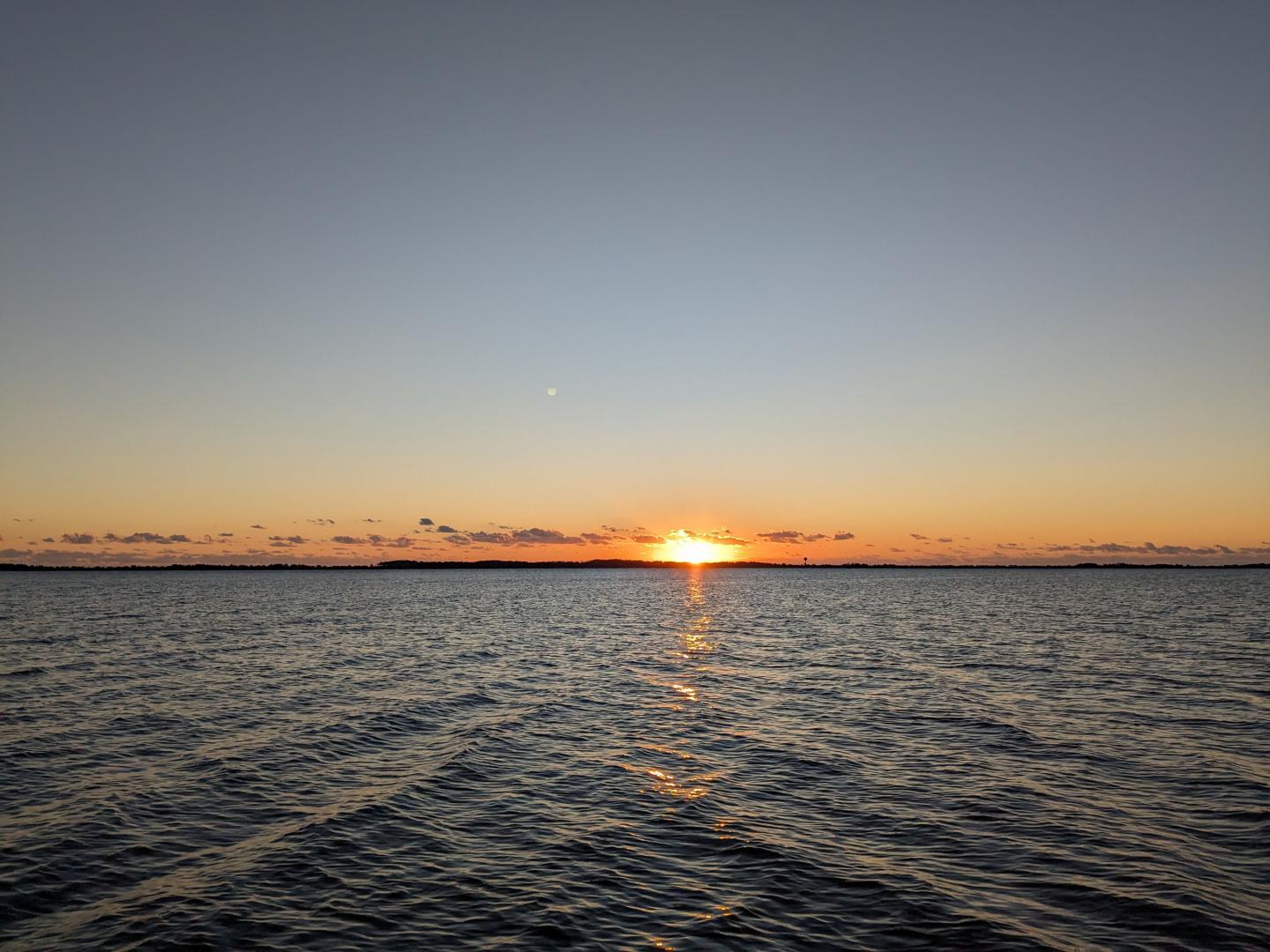
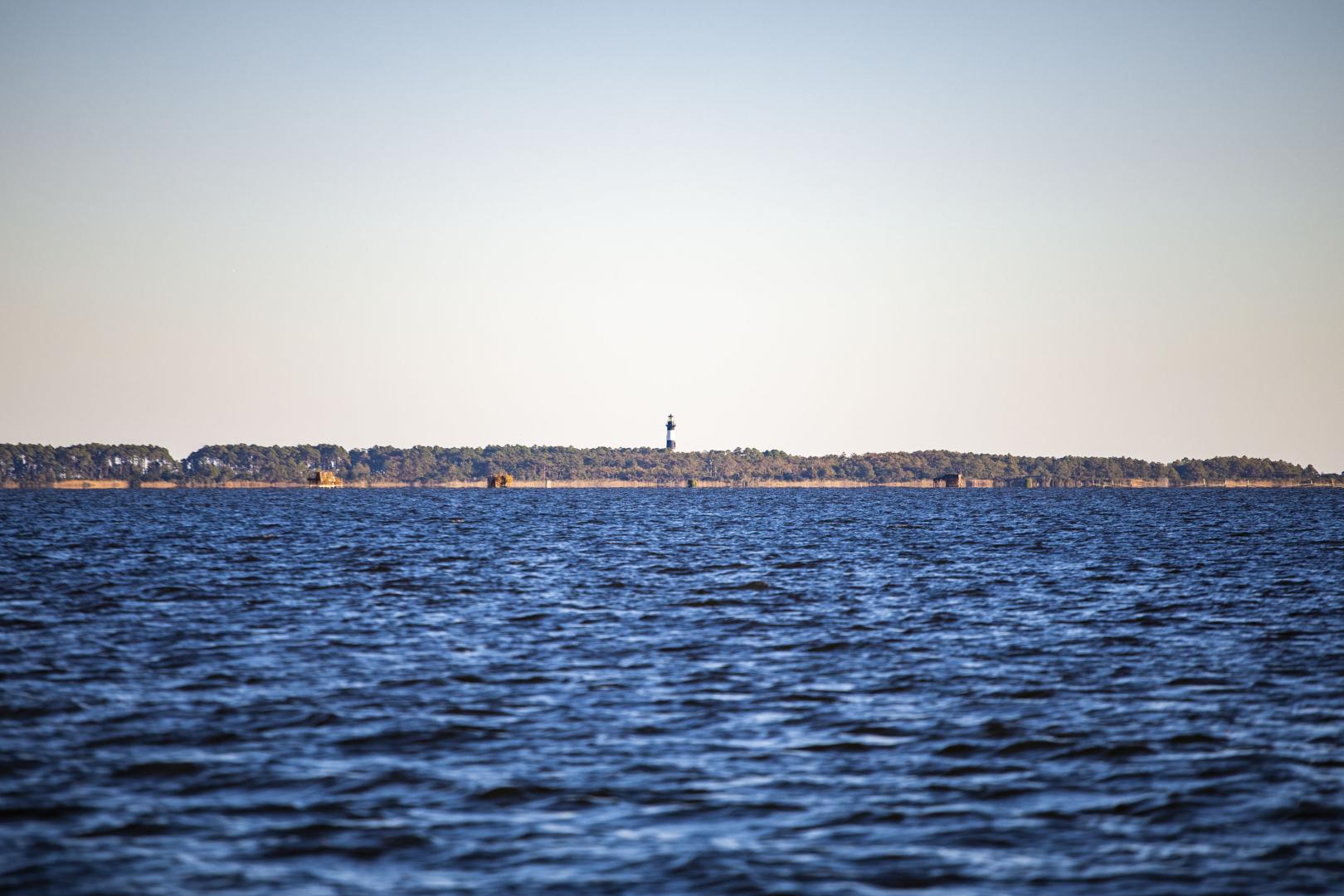
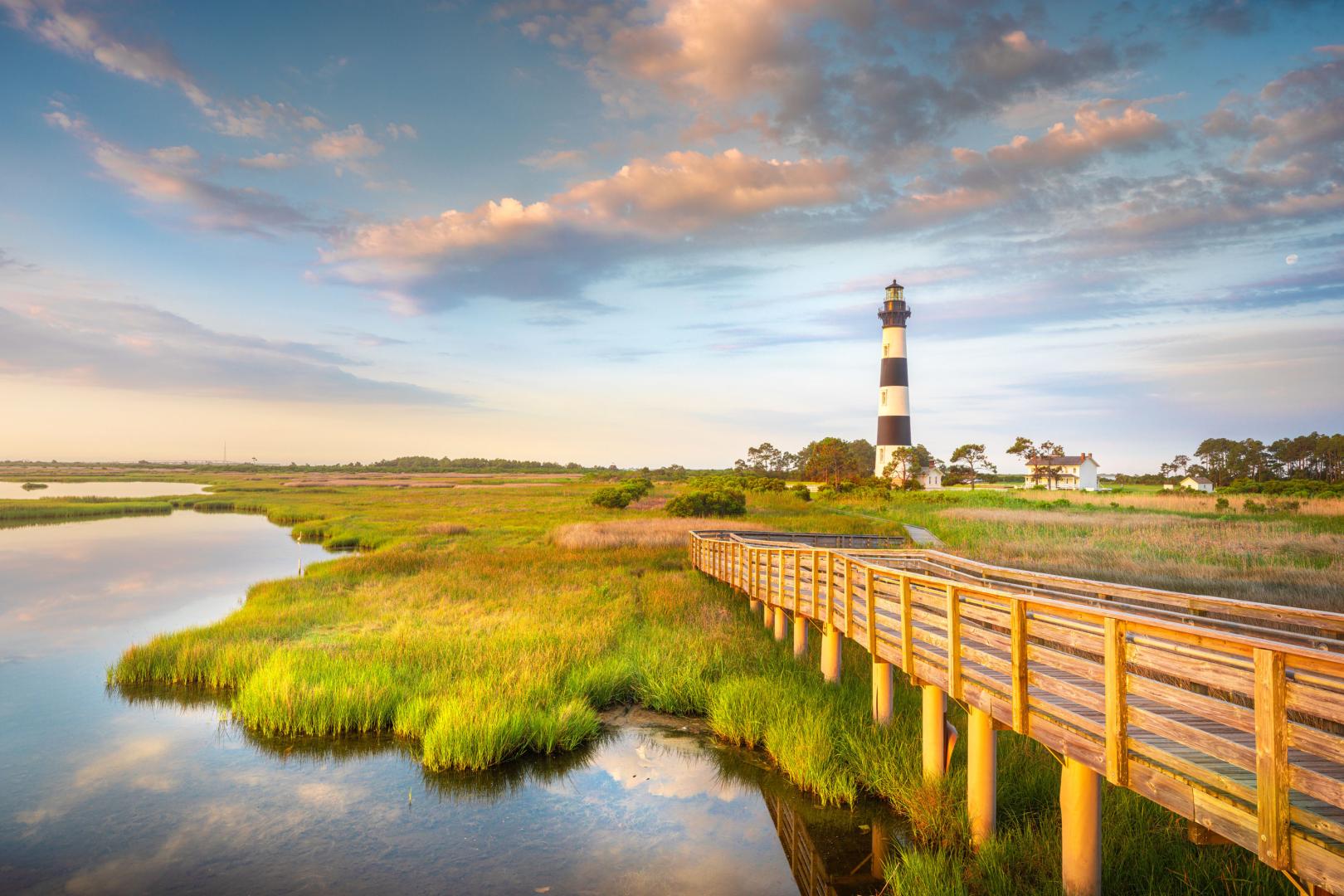
This offering includes a group of 14 islands on the North Carolina coast, collectively spanning 240 acres with approximately 3 miles of shoreline. Located in the Outer Banks near the Manteo and Nags Head region, the properties represent the last available deep‑waterfront land in this area. Individual 10‑acre parcels are also available, providing flexibility for buyers seeking private holdings, investment opportunities, or conservation‑focused acquisitions.
The Property
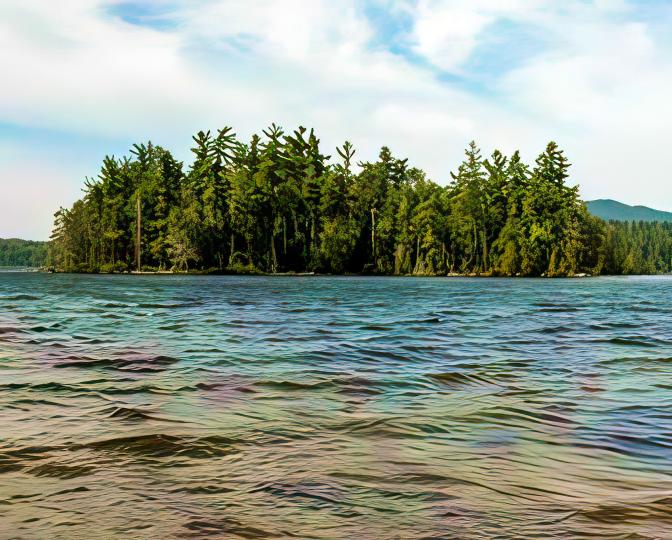
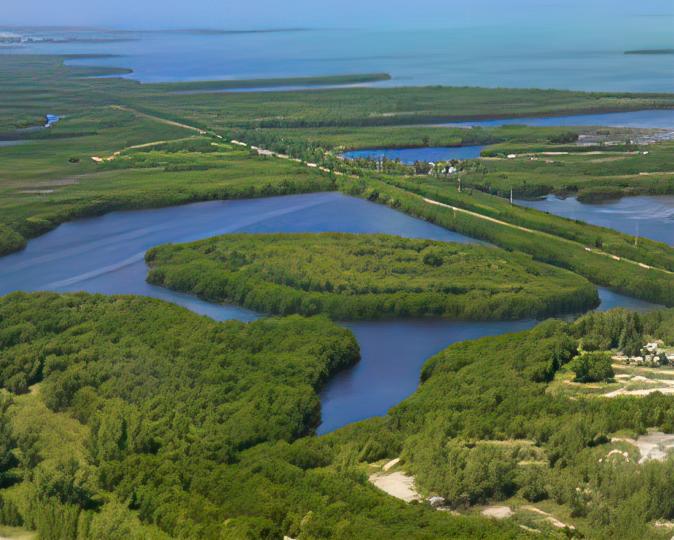
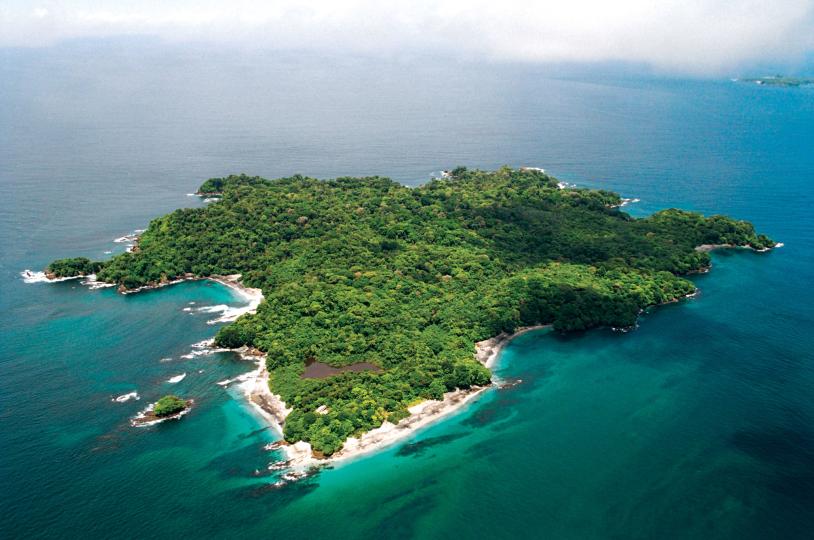
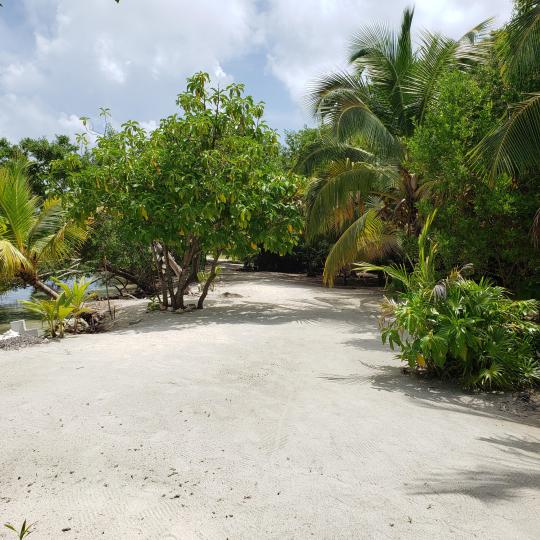
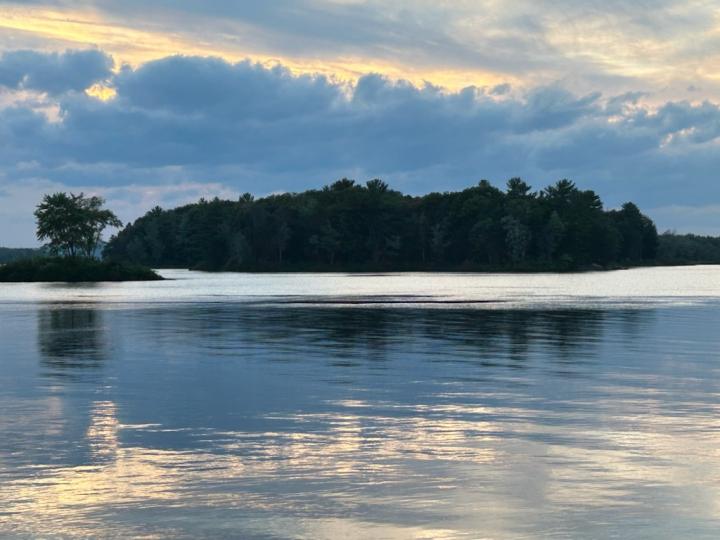
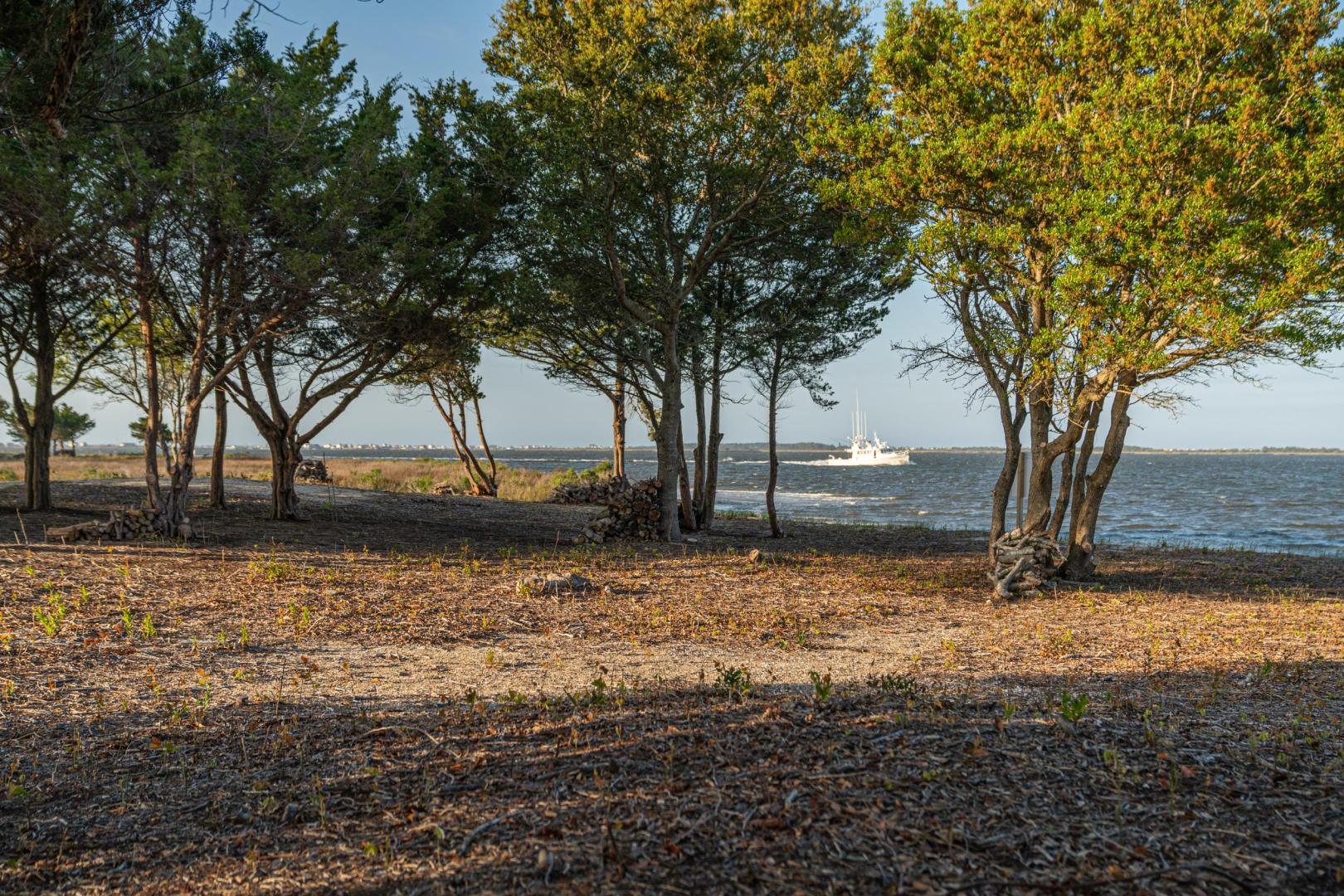
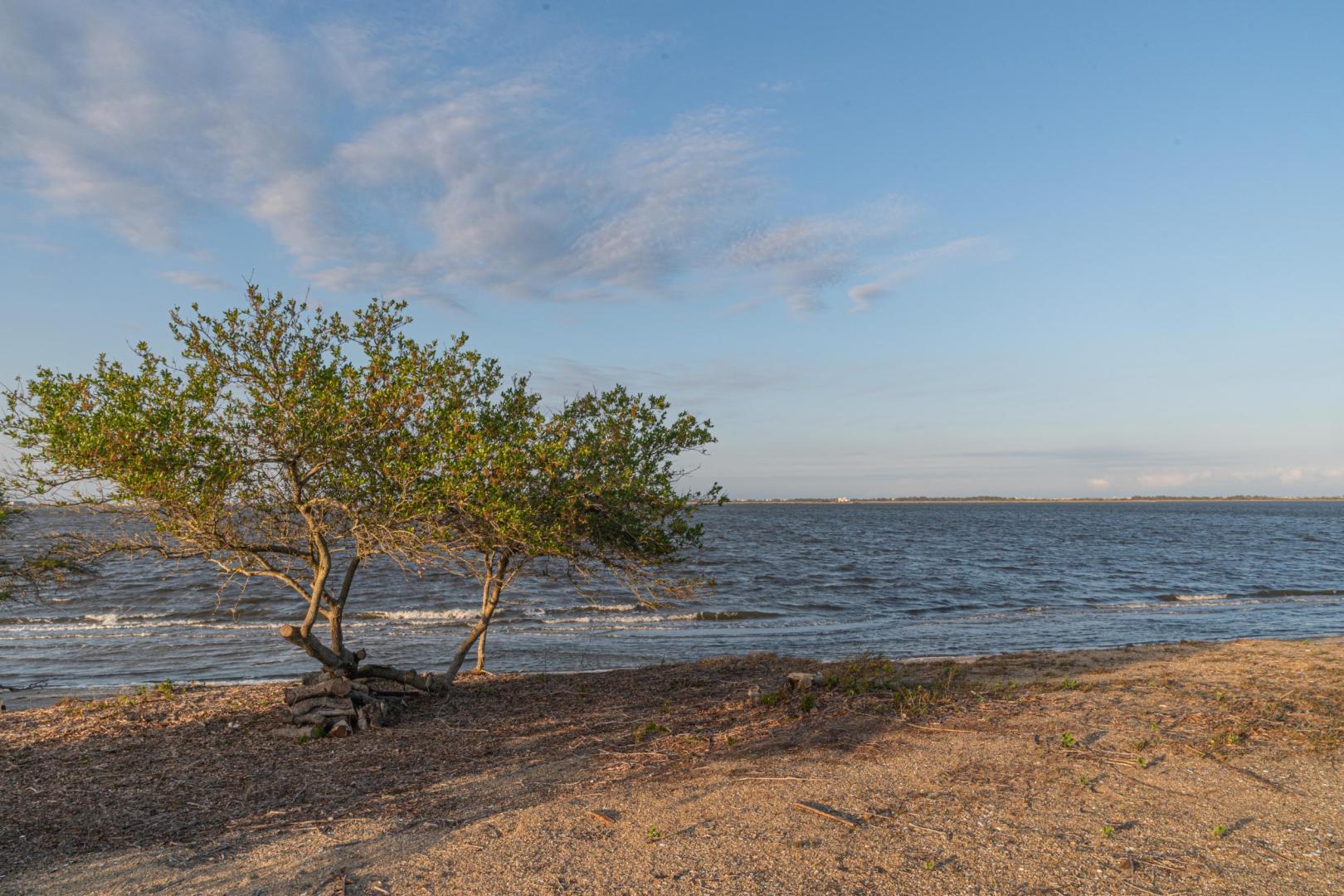
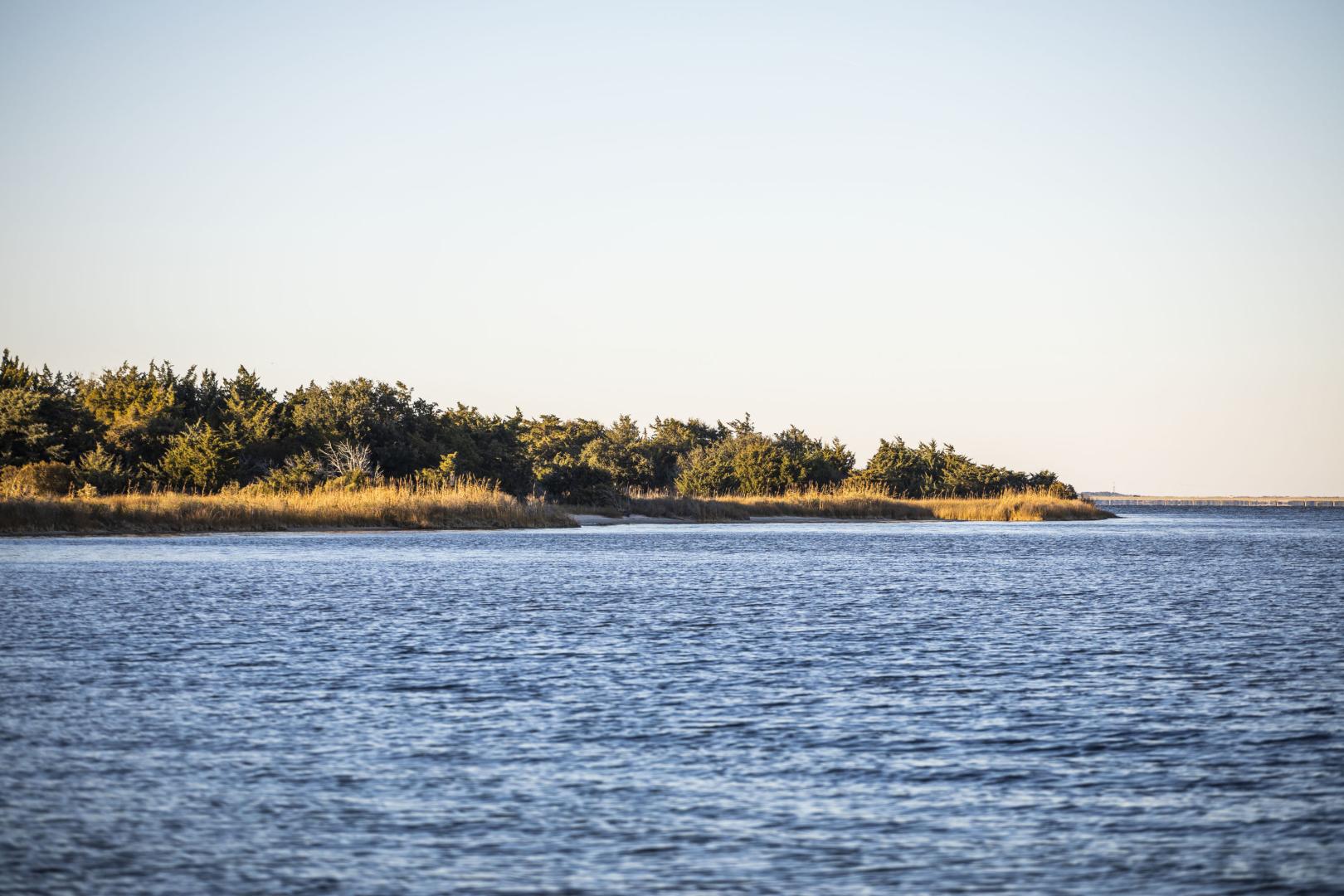
The islands have no existing structures and remain in pristine condition. Comprehensive engineering has been completed for wells, septic systems, and deepwater docks, and all associated permits are available, making the parcels build‑ready. Elevations reach up to 12 feet above sea level, placing the islands within a favorable AE flood zone. Vegetation includes year‑round oak and cedar trees, along with natural canals, ponds, marshes, and wetlands. The islands have been owned by a single family since the 1970s and were historically part of a fishing village associated with the period of the “Lost Colony.”
The Land and Water
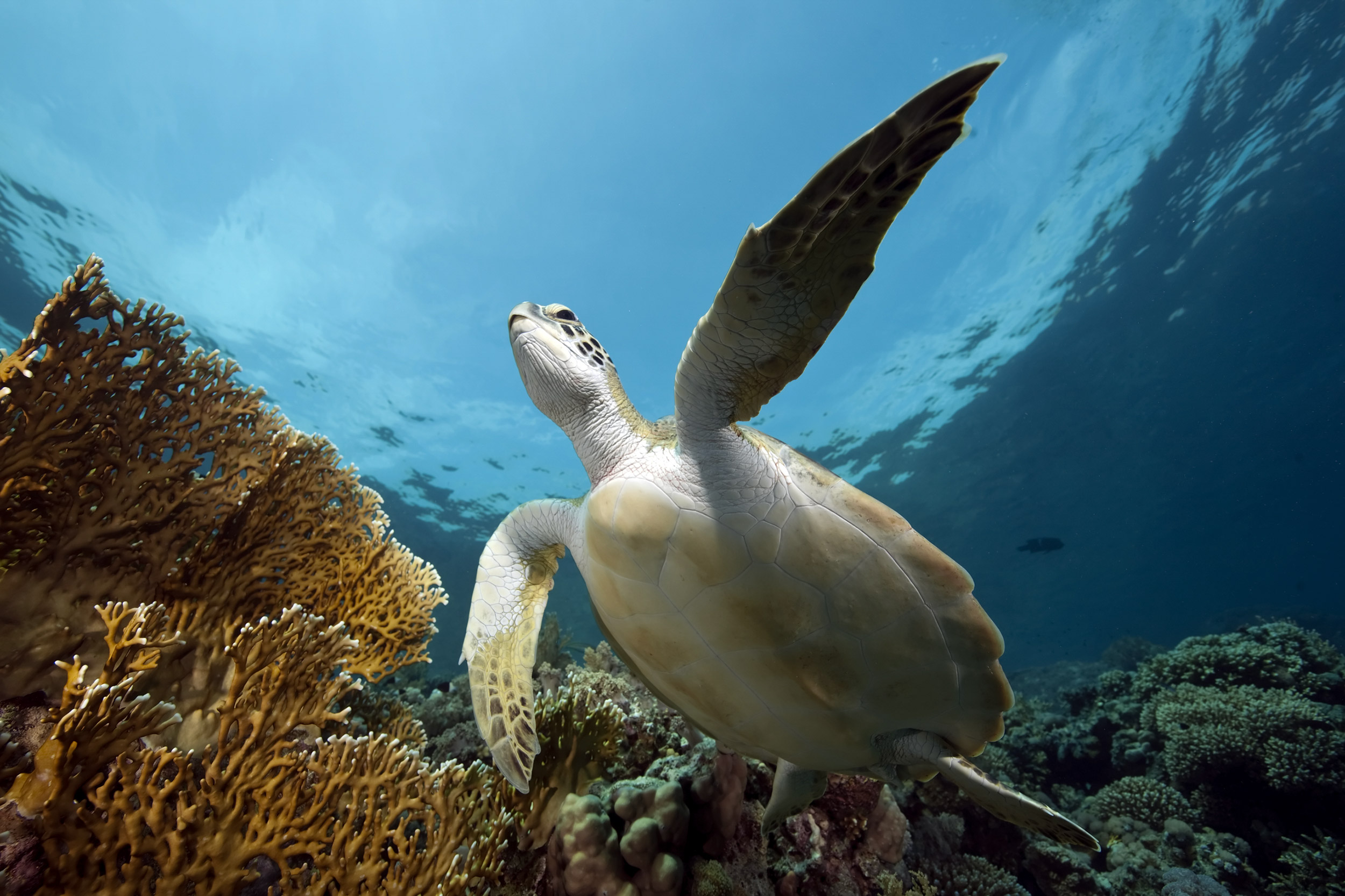
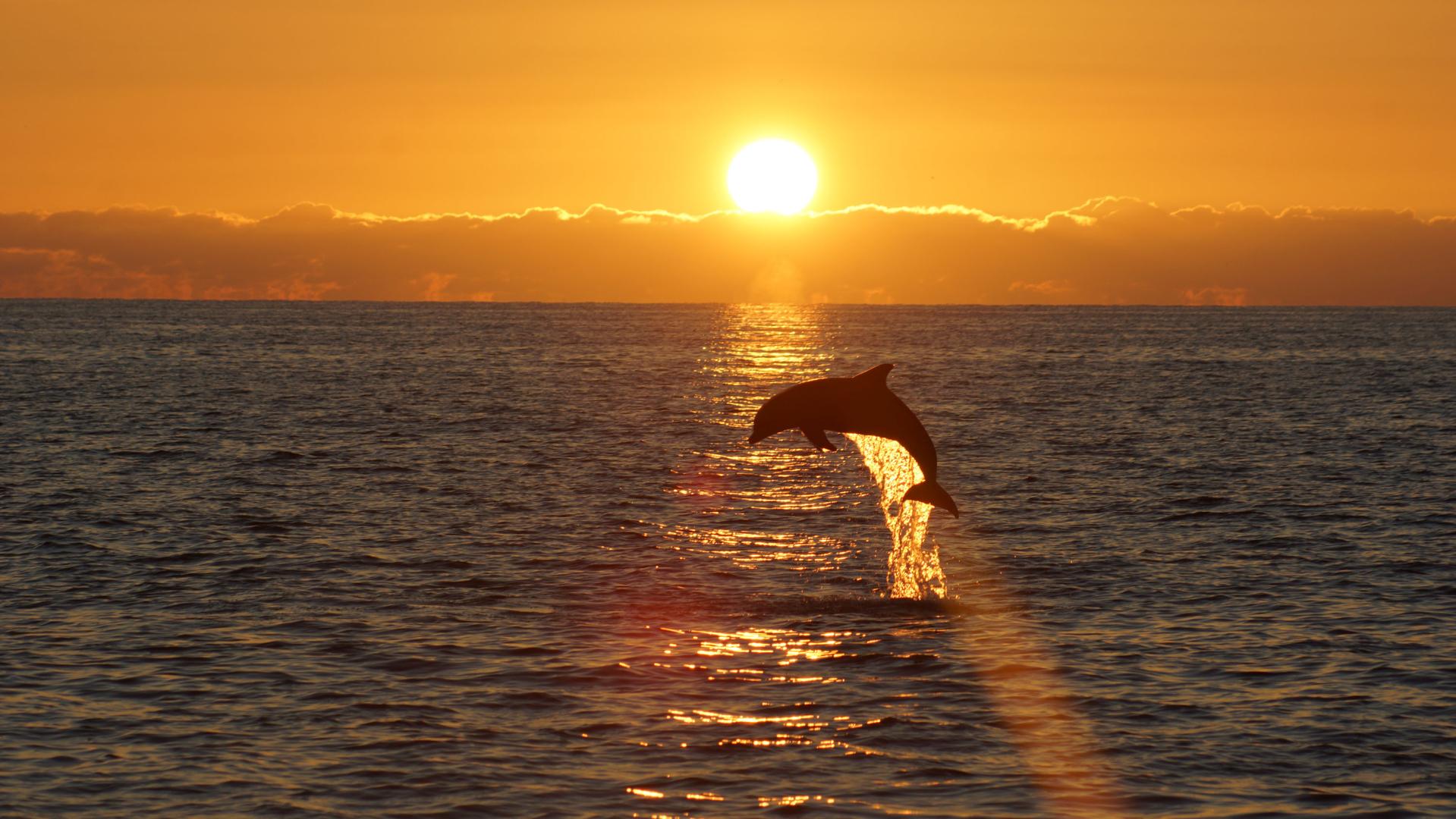
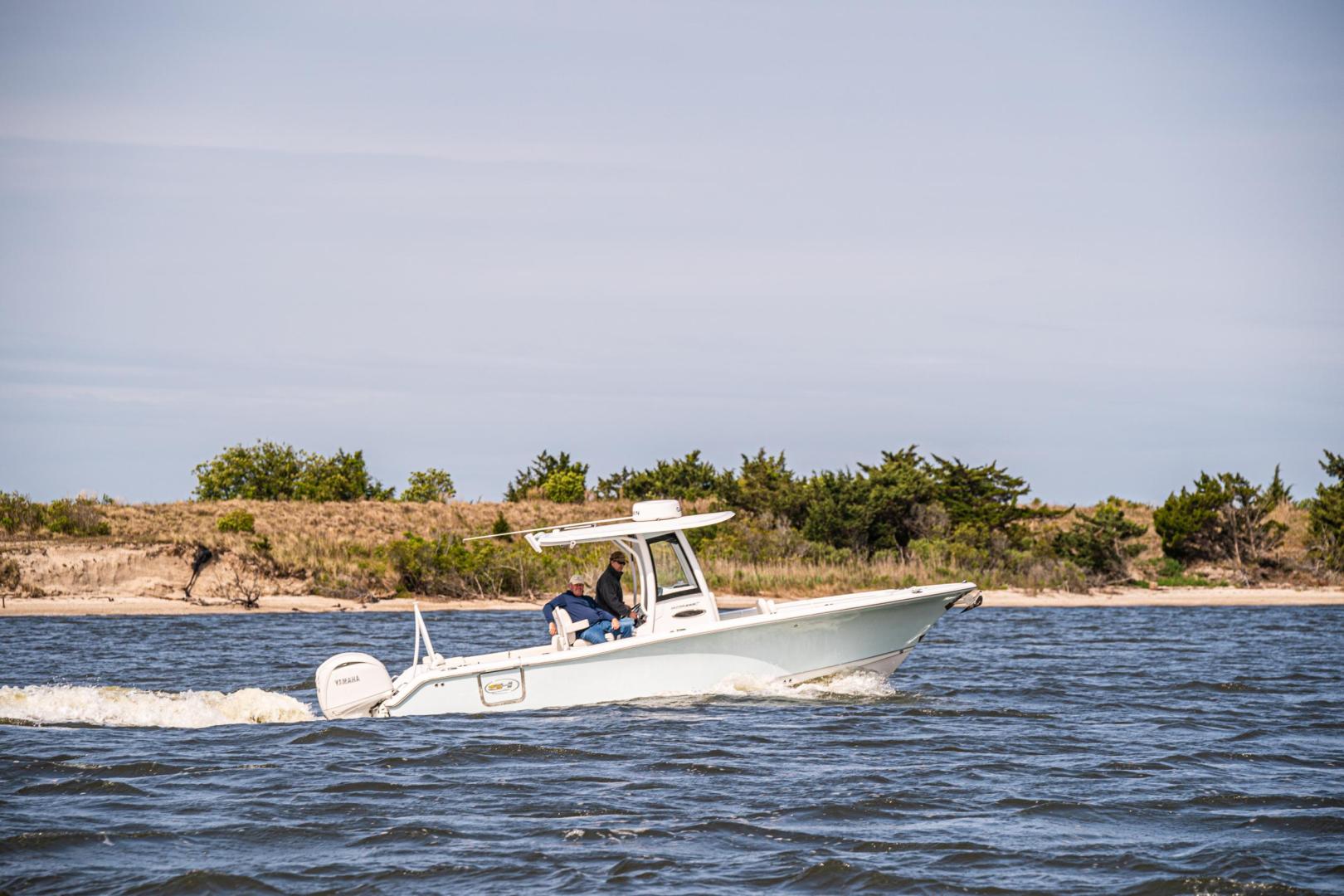
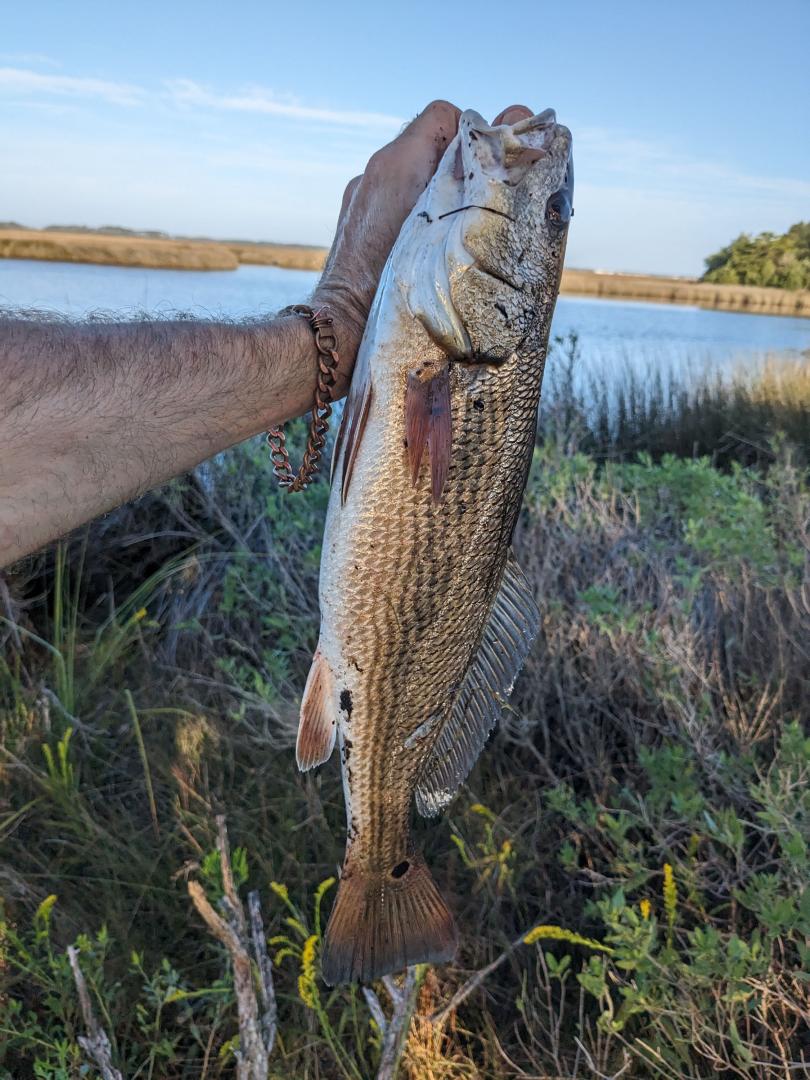
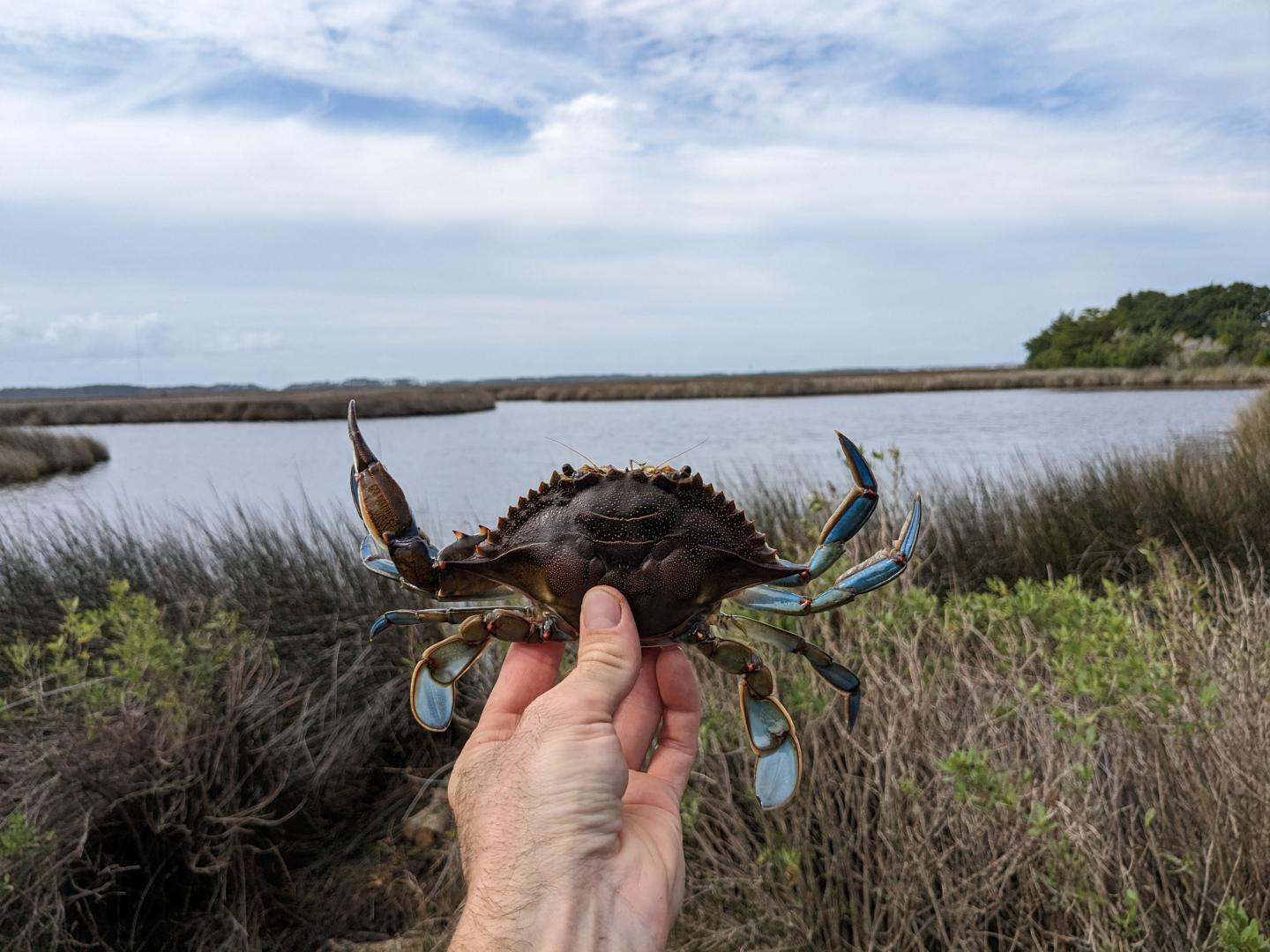
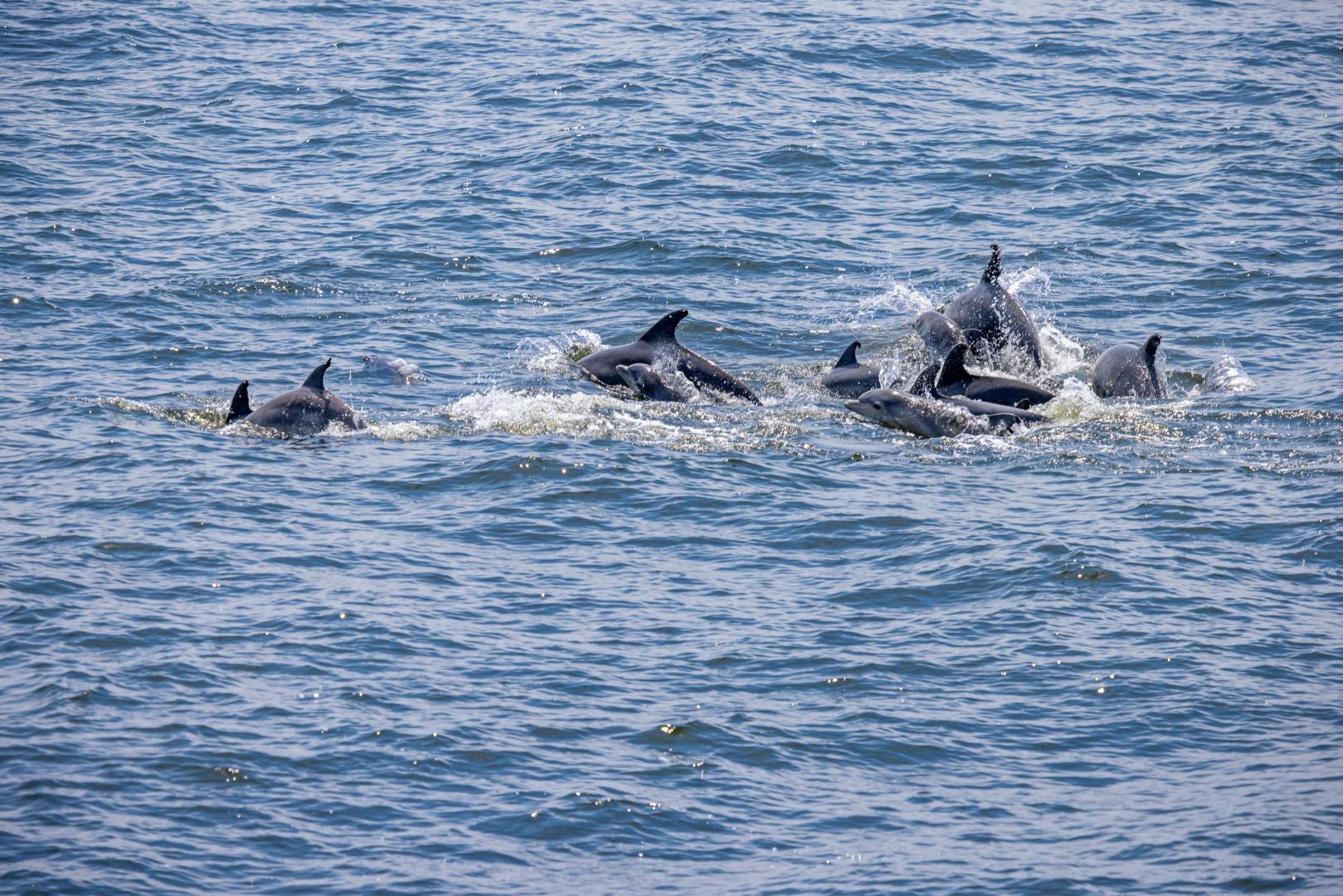
The 240‑acre assemblage includes 14 islands with varied natural features and shoreline environments. The surrounding waters support fishing, crabbing, gigging, clamming, oysters, shrimping, and dolphin viewing. The area is known for extensive birdlife, including ospreys and hundreds of additional species, making it a recognized birdwatching destination.
Access and Utilities
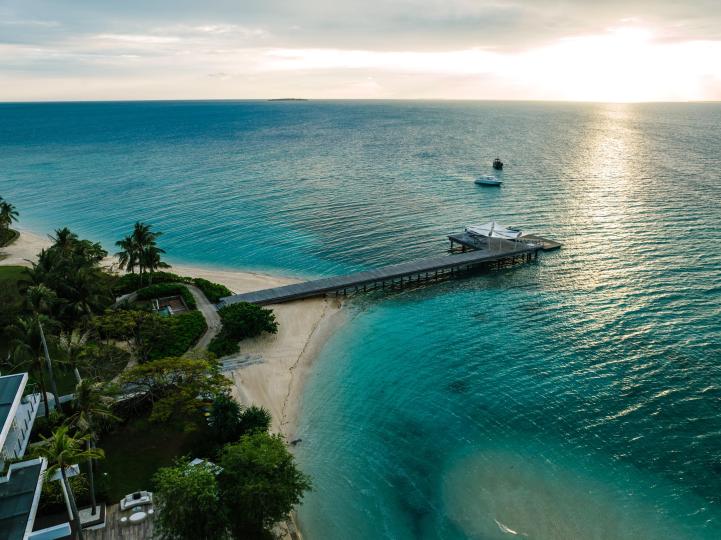
The islands are located minutes from the boat launch at the Virginia Dare Bridge and near marinas, docks, and restaurants. Engineering and permits for wells, septic systems, and deepwater docks are in place. The islands are monitored by the U.S. Coast Guard.
The Lifestyle
These islands offer a private coastal environment suited to second homes, investment properties, short‑term rentals, or conservation initiatives. Their natural landscapes, wildlife, and access to seafood resources support a recreation‑focused lifestyle. As the last remaining deep‑waterfront land in the Outer Banks, the properties present a rare opportunity for long‑term legacy ownership in a region where most comparable holdings are already controlled by multi‑generation families, government entities, or wildlife organizations.