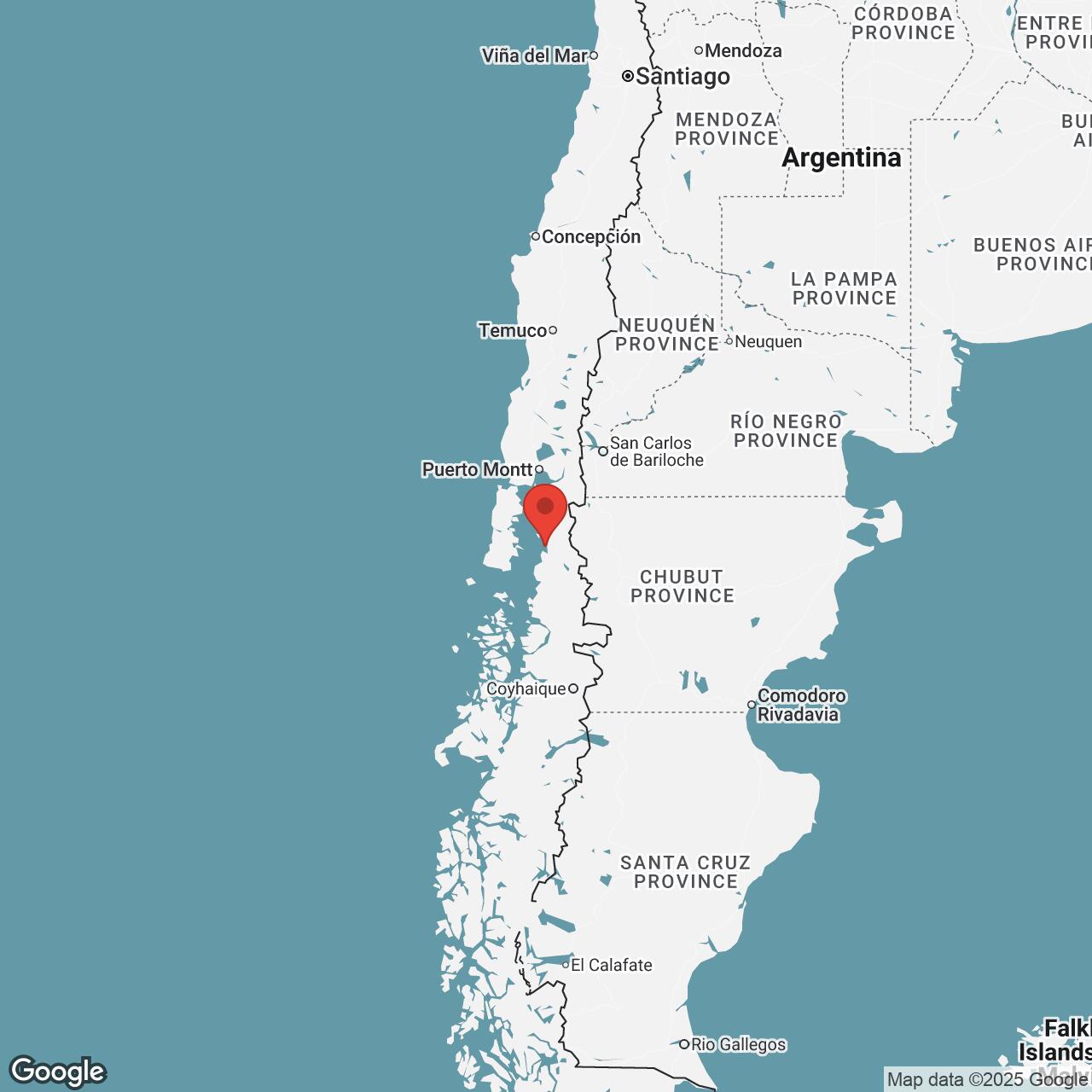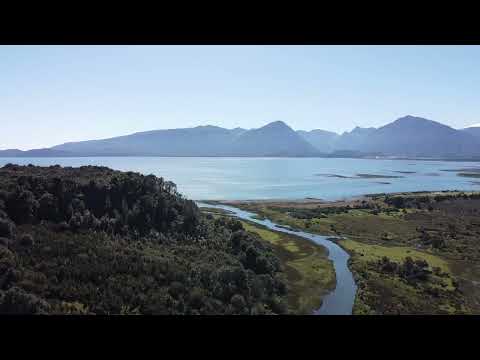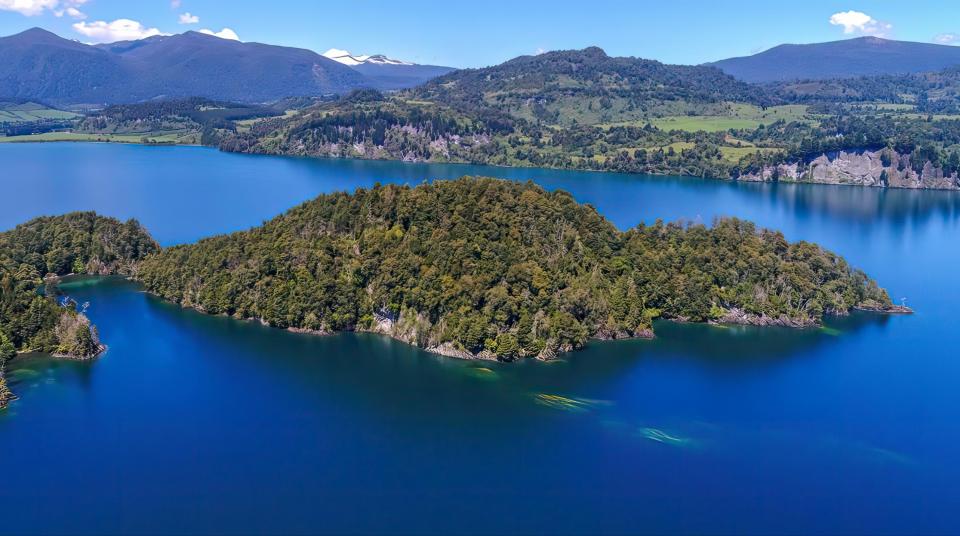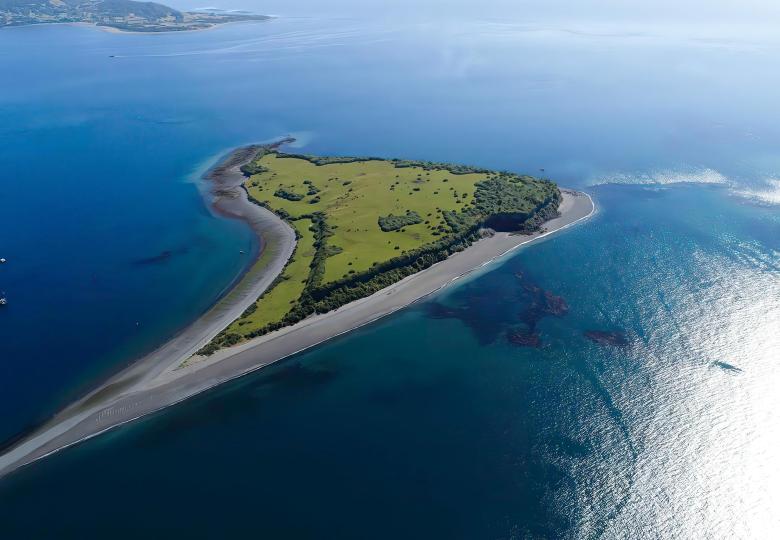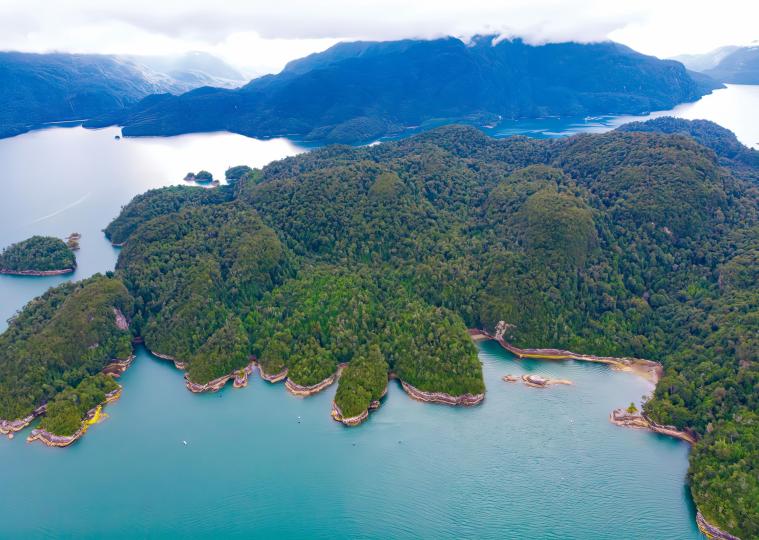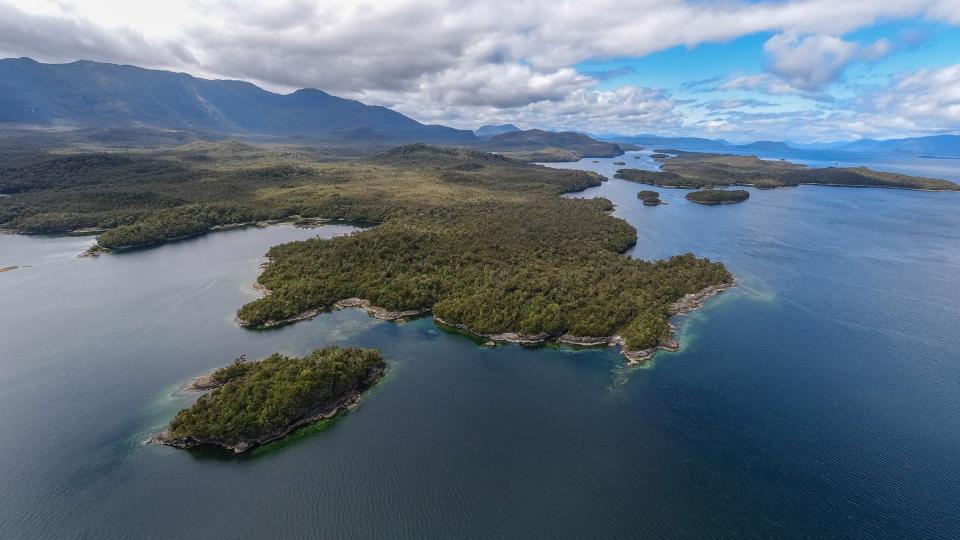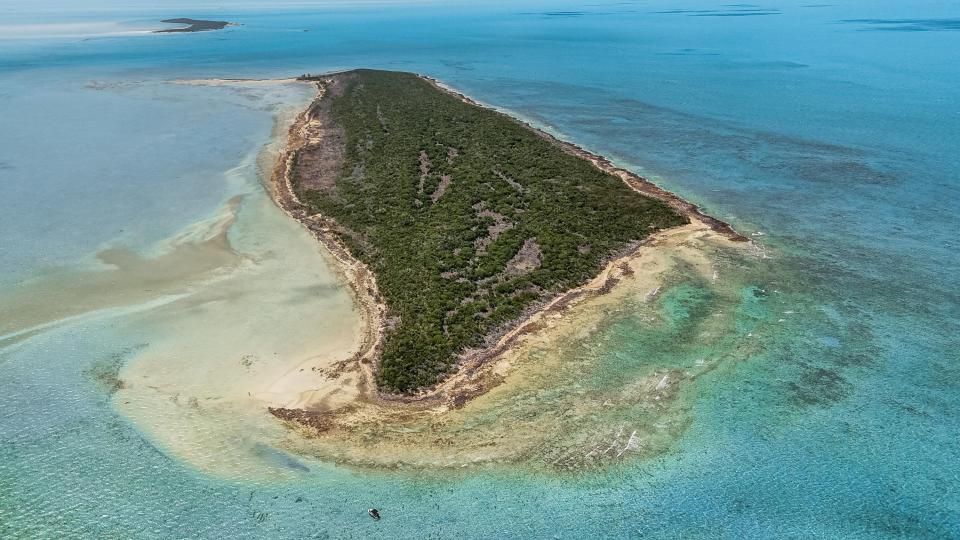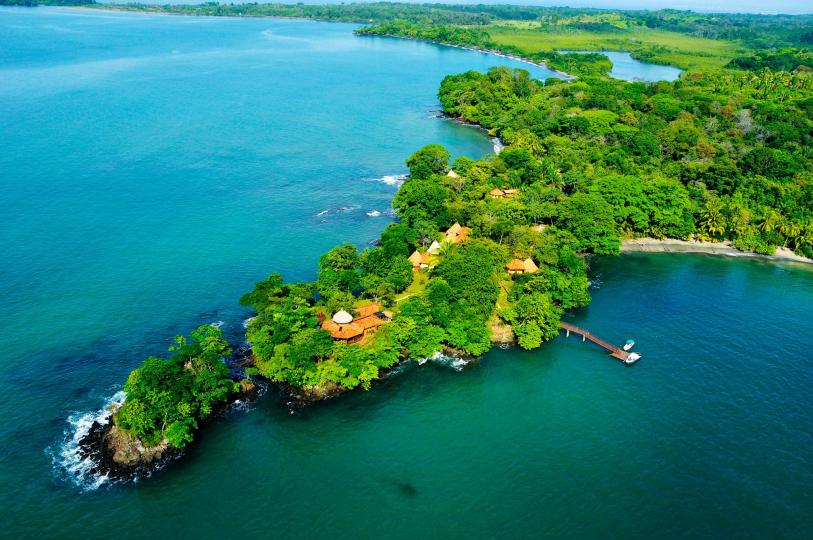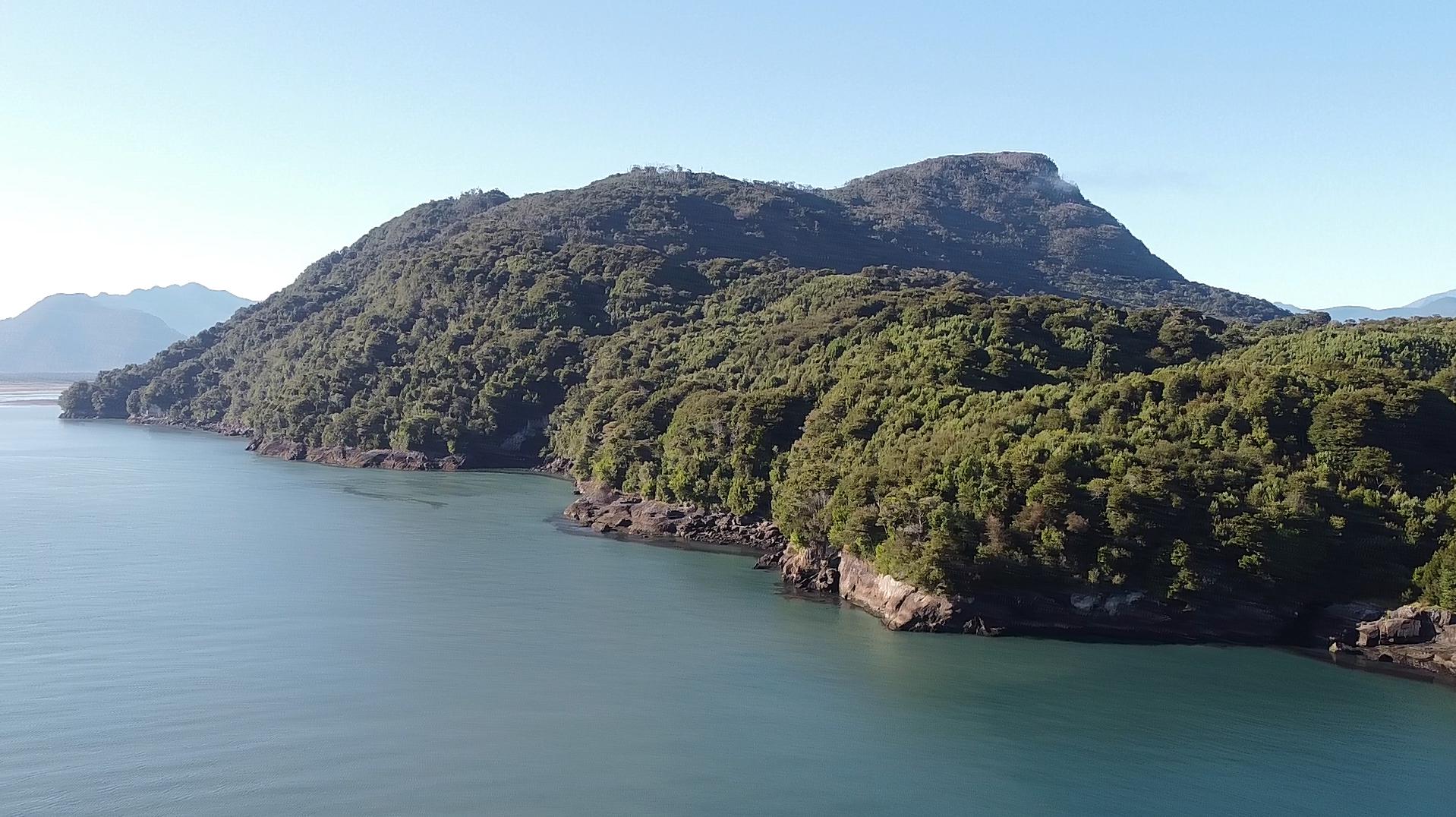
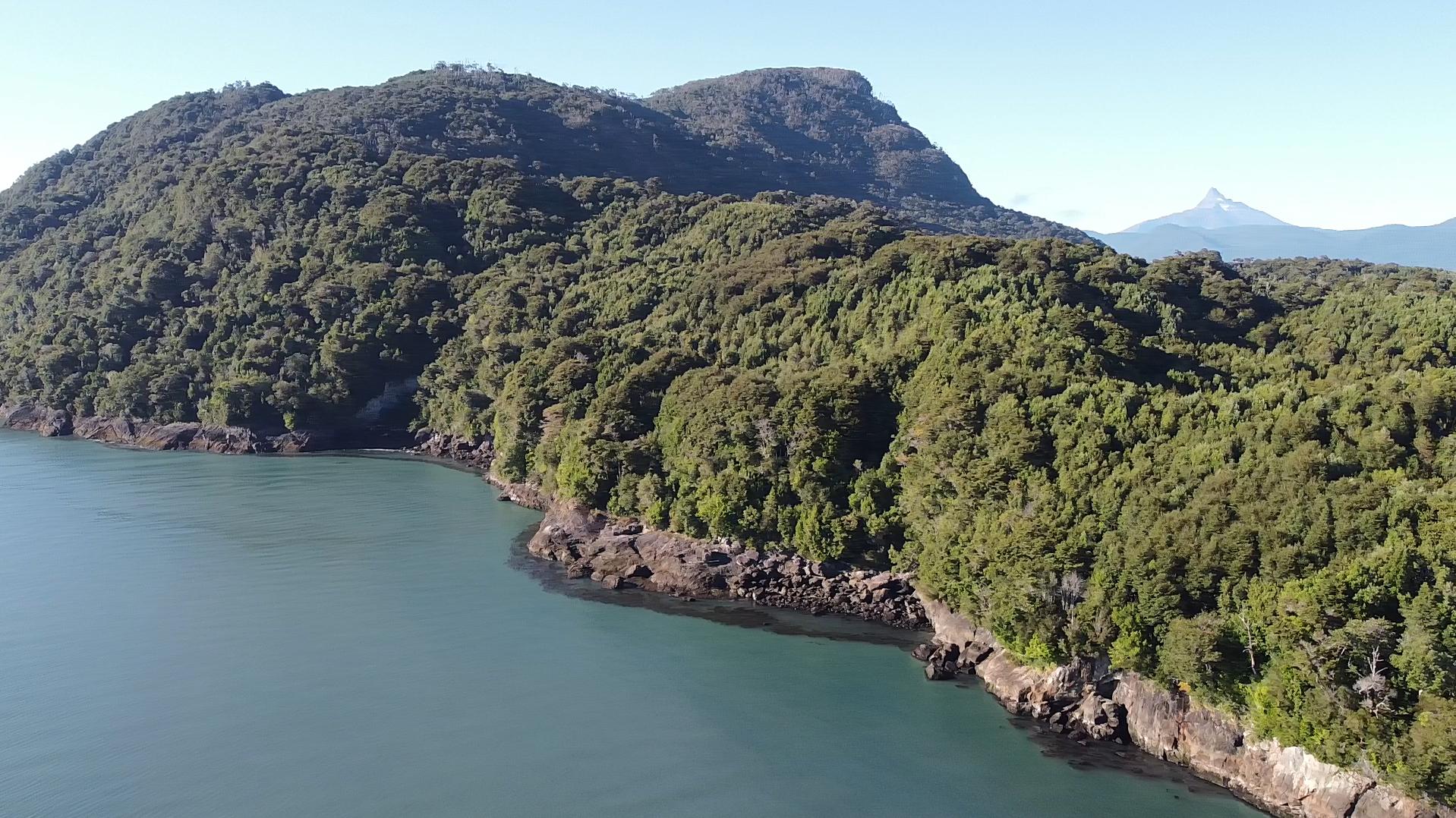
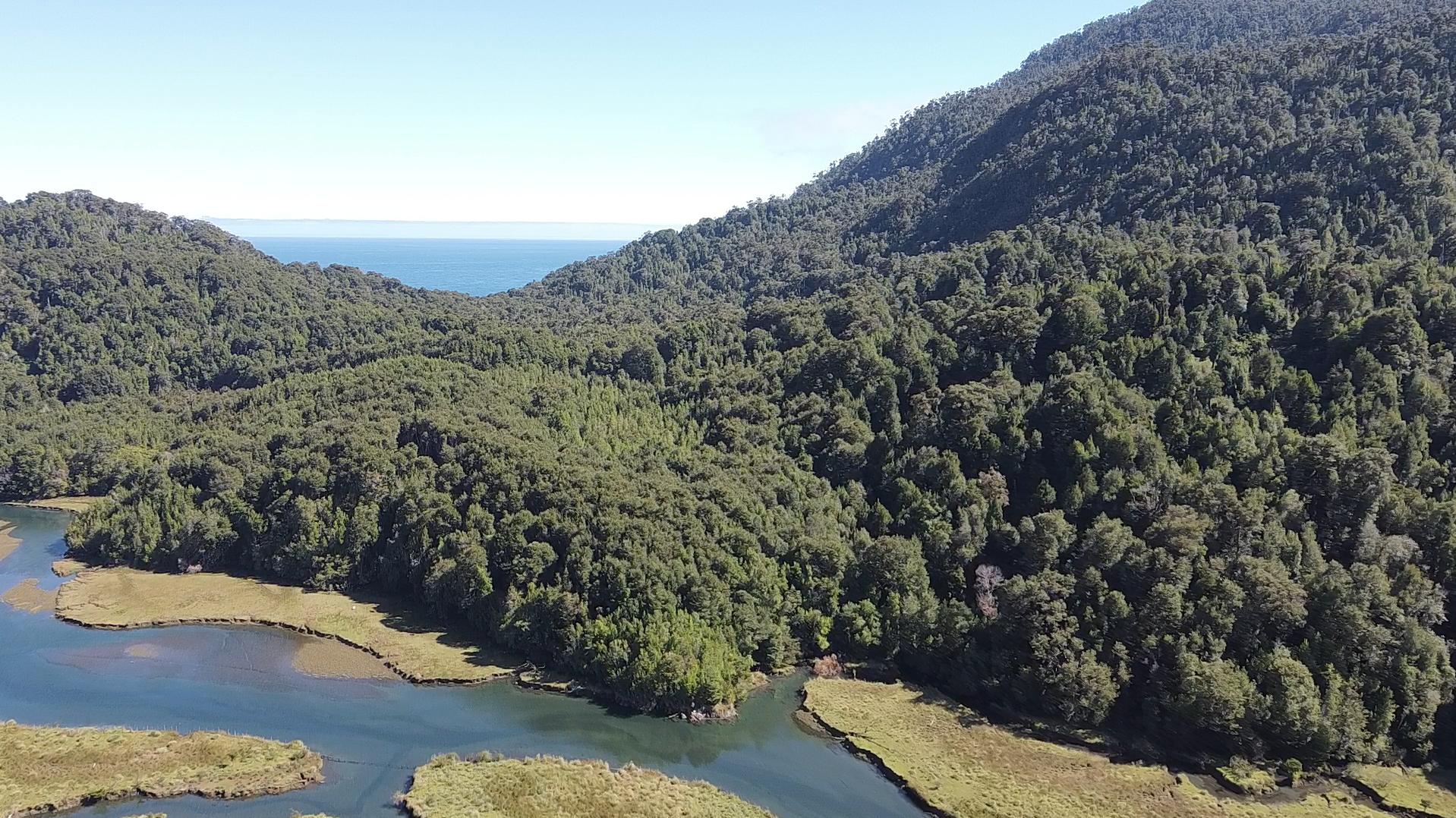
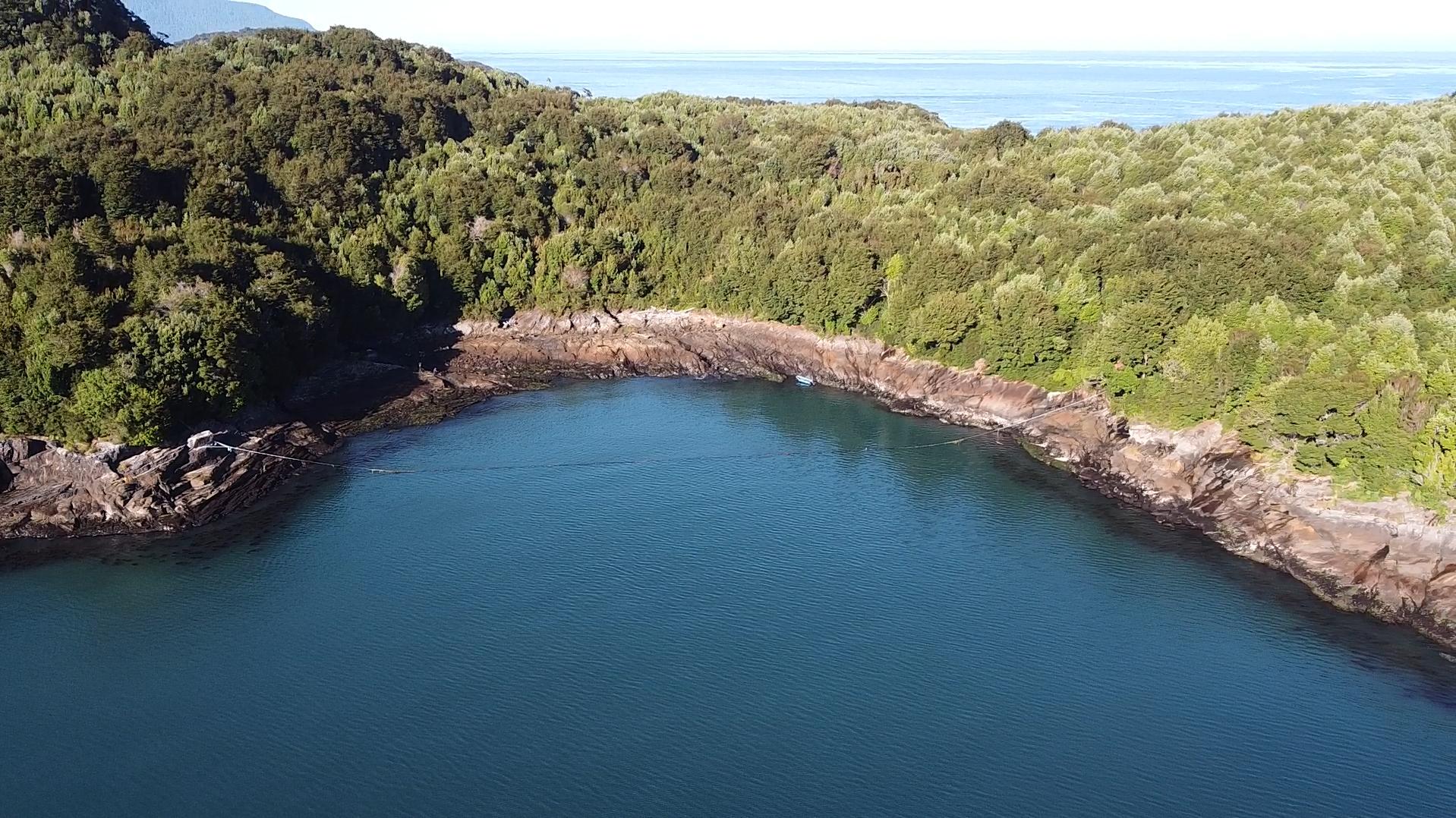
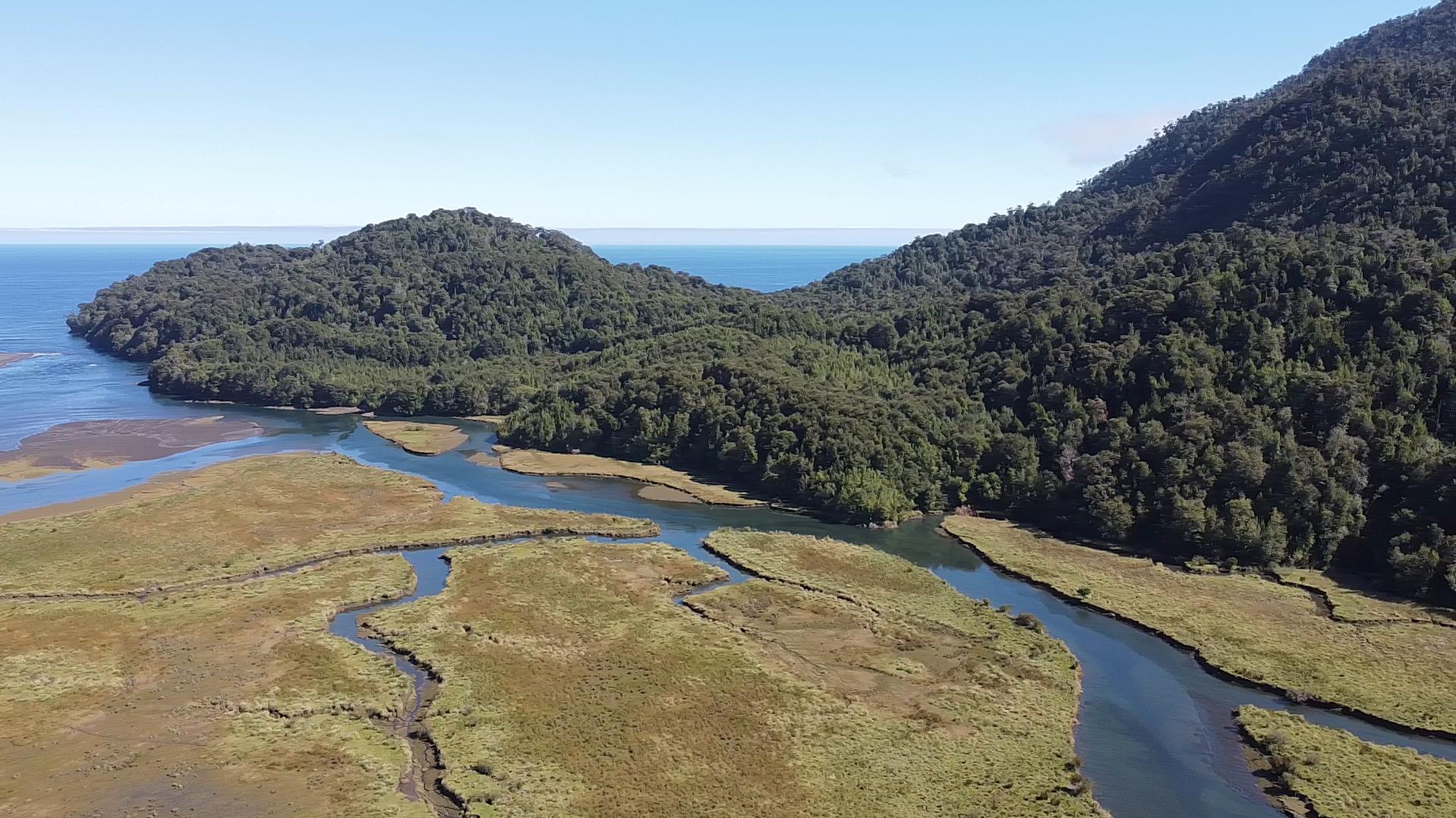
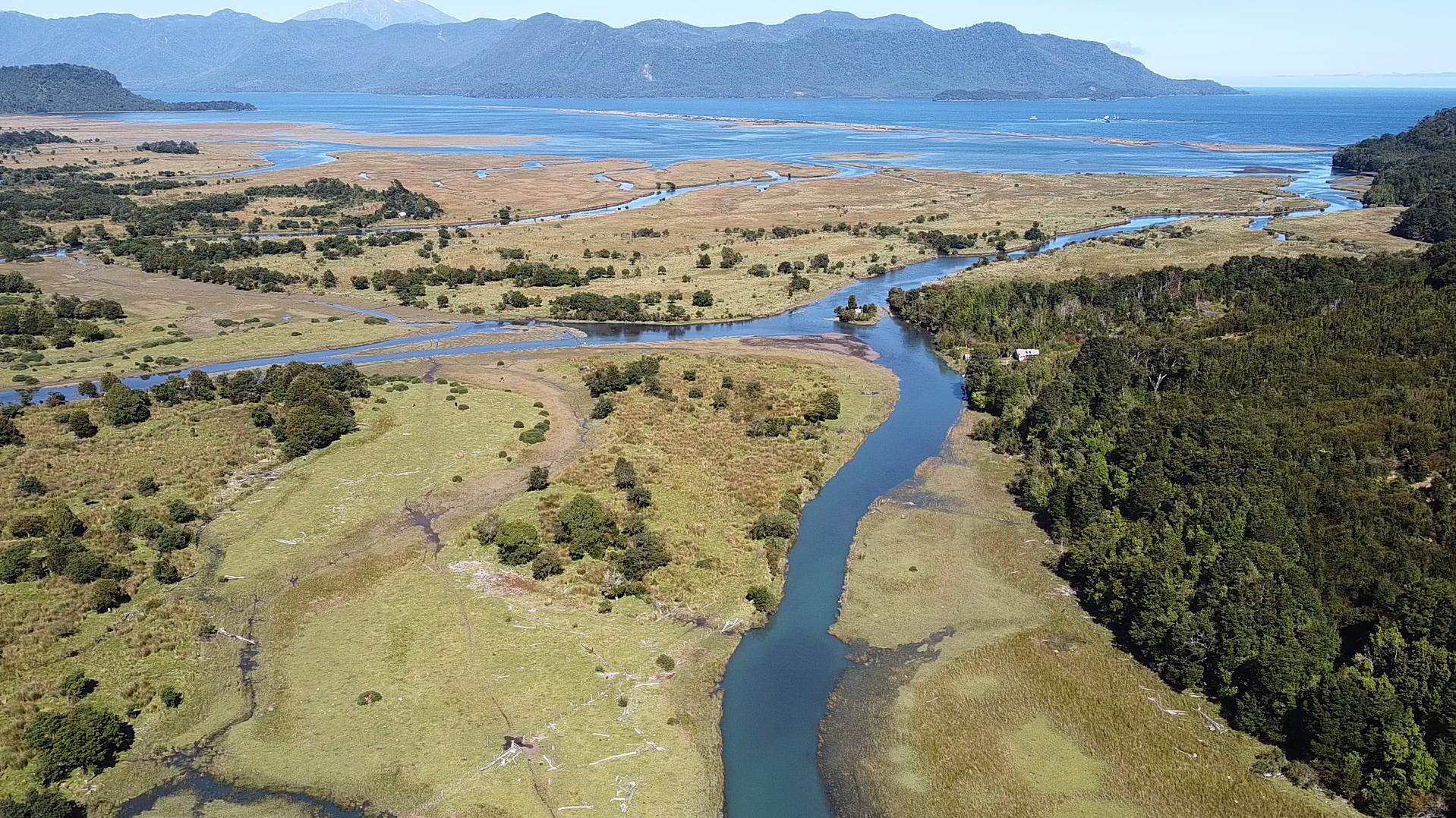
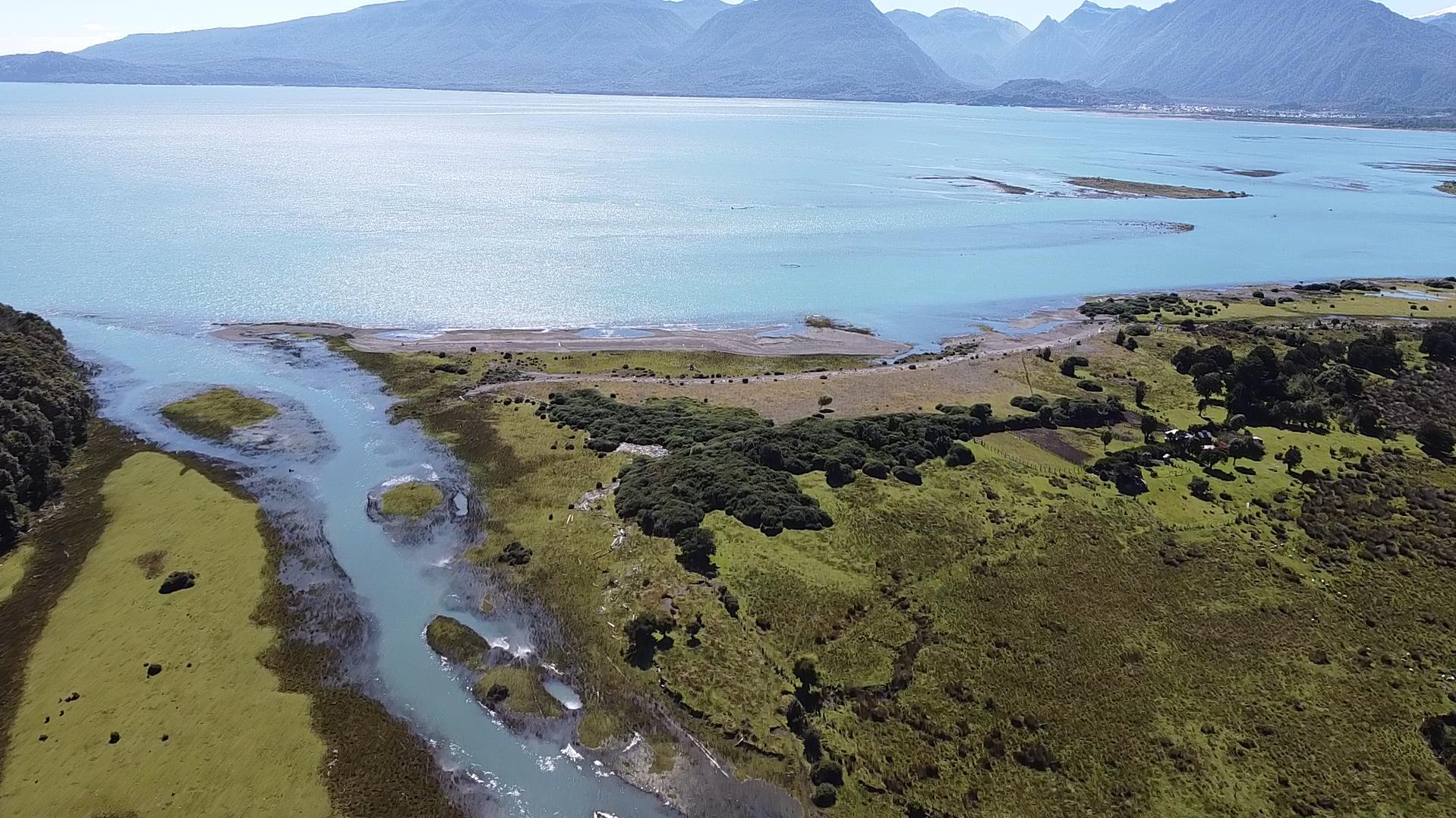
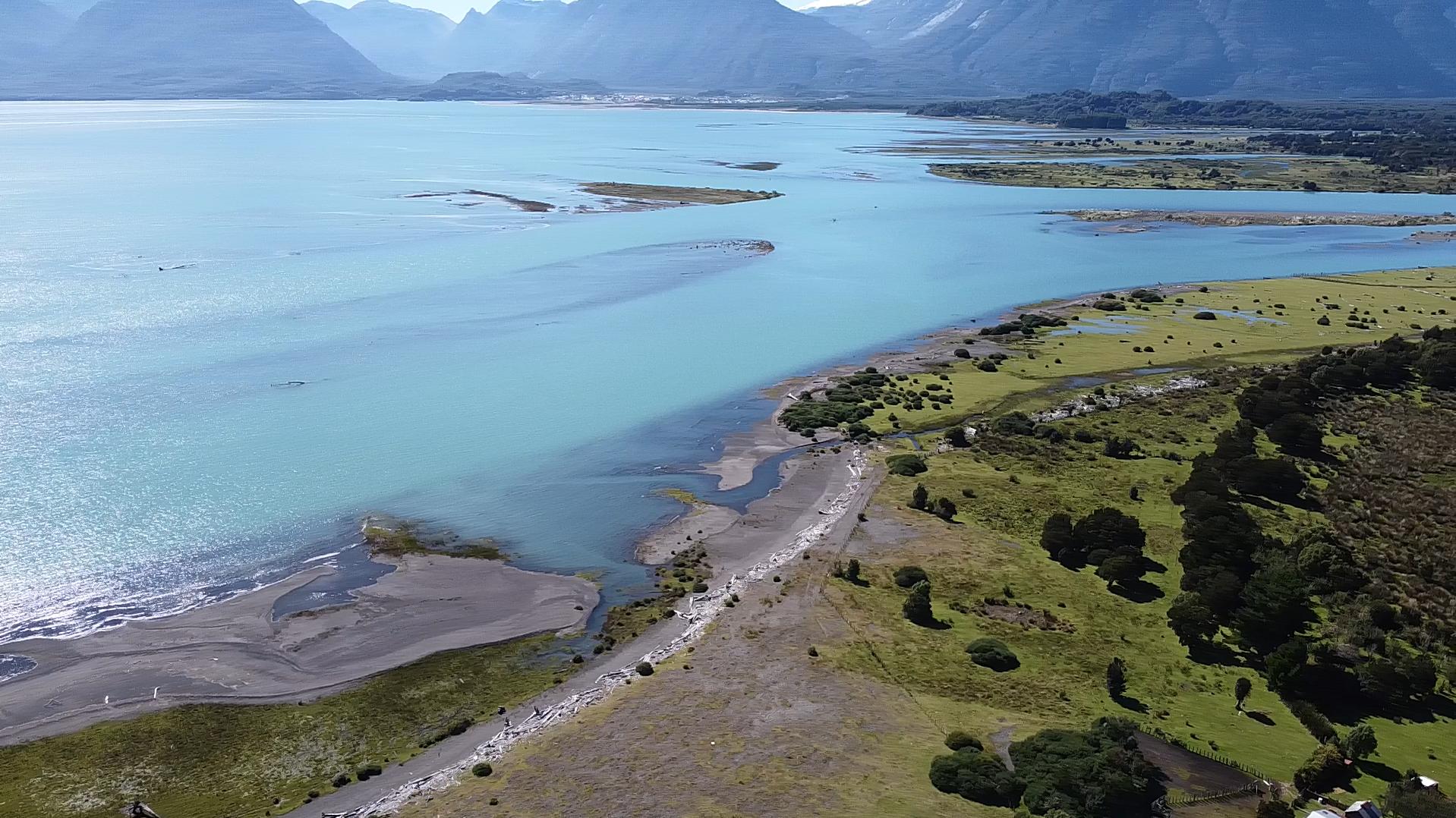
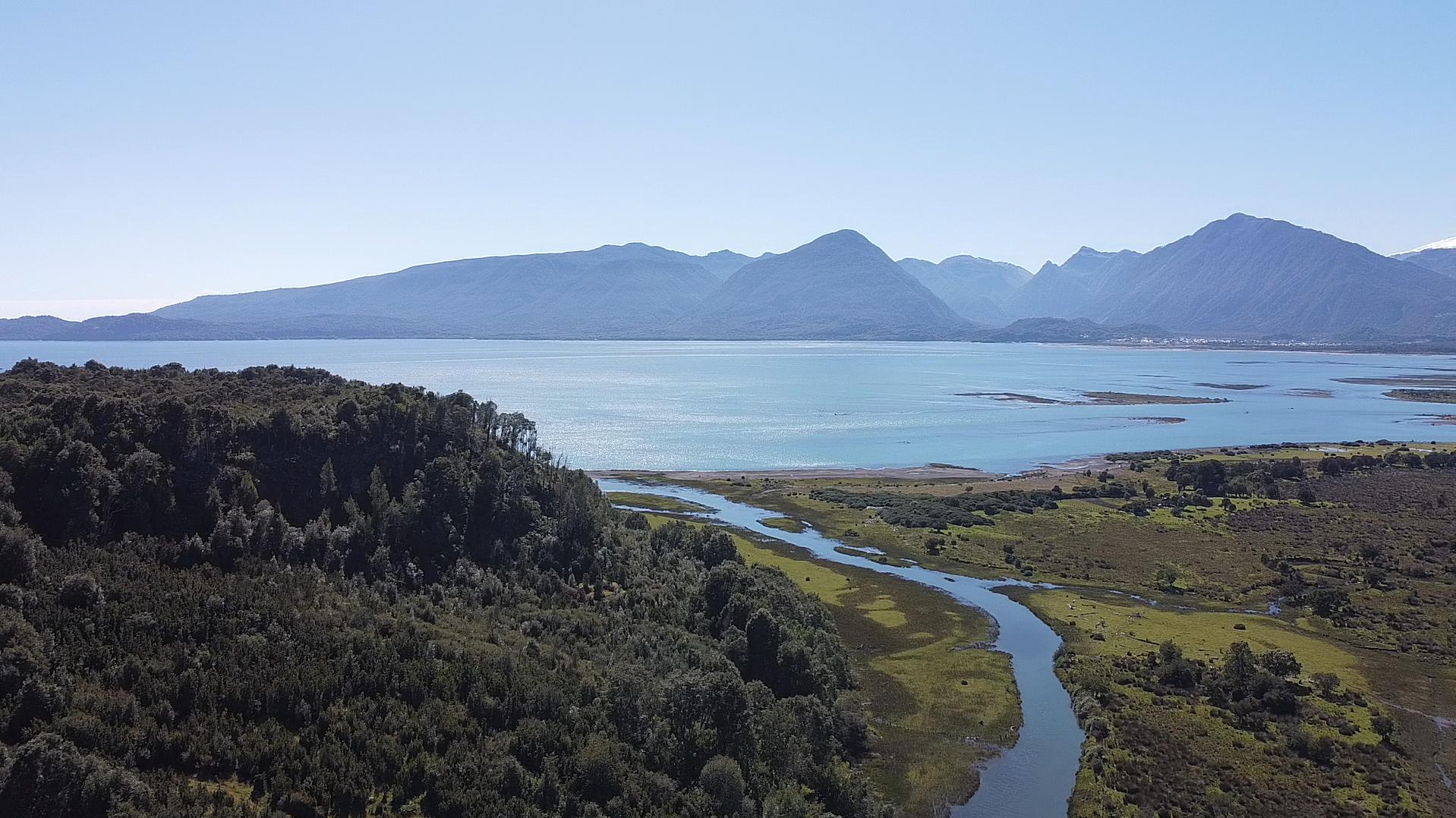
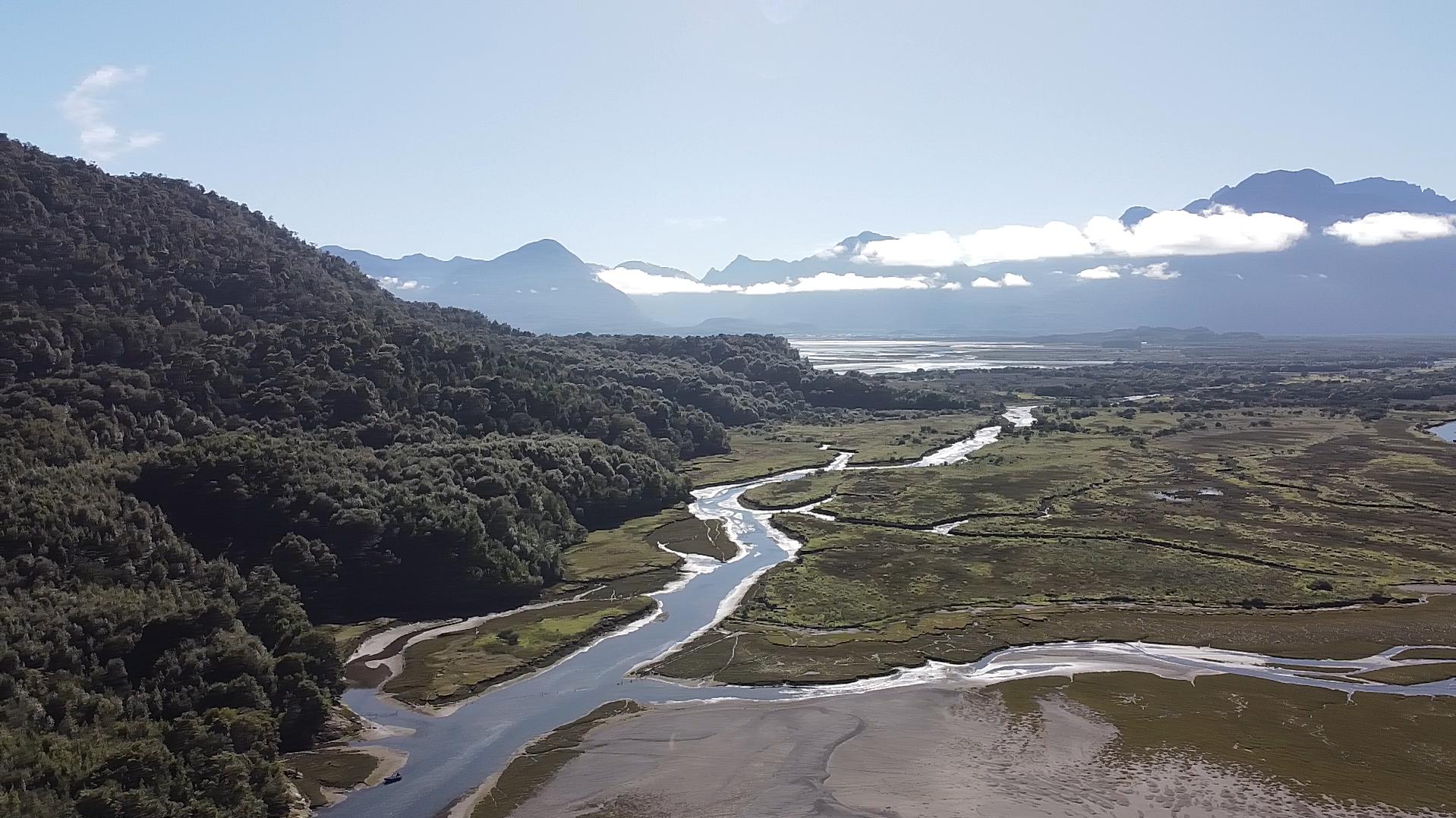
Puduguapi Island is located at the entrance to Chilean Patagonia, near the beginning of the Carretera Austral in the commune of Chaitén, Los Lagos Region. With its own bay, direct sea access, and freshwater frontage along the Yelcho River, the island offers a natural setting defined by native forest, varied topography, and views of the Chaitén and Corcovado volcanoes. Its position between the Andes Mountain Range to the east and Chiloé to the west contributes to a sheltered microclimate.
The Property
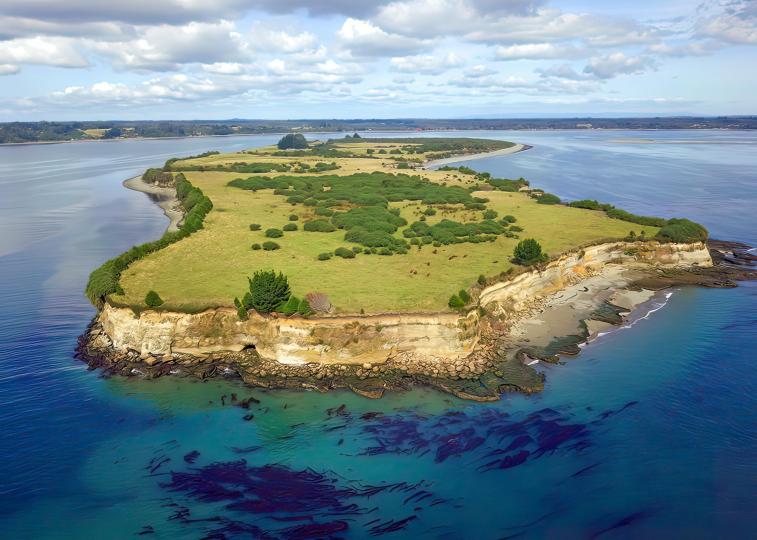
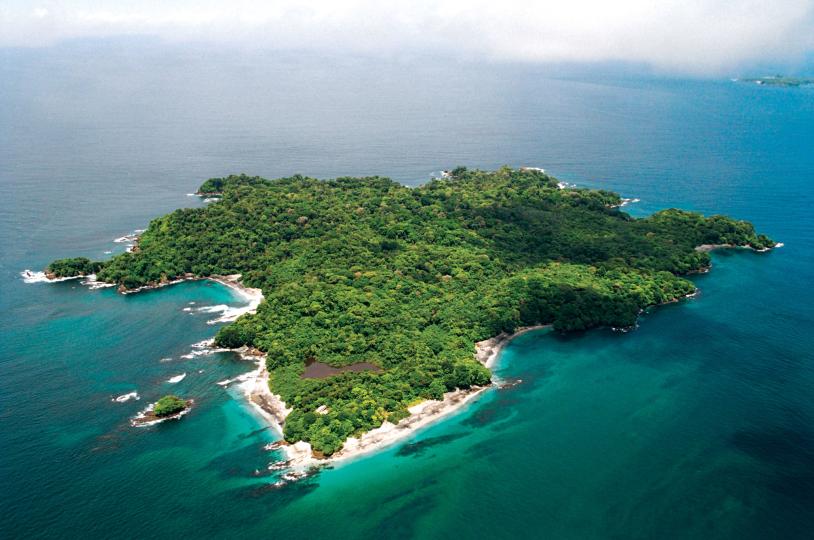
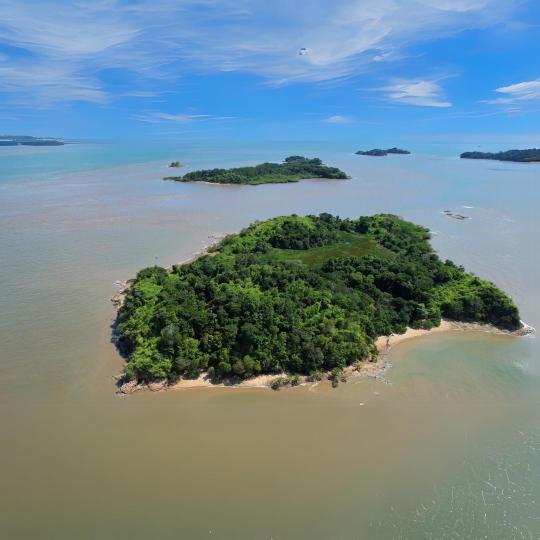
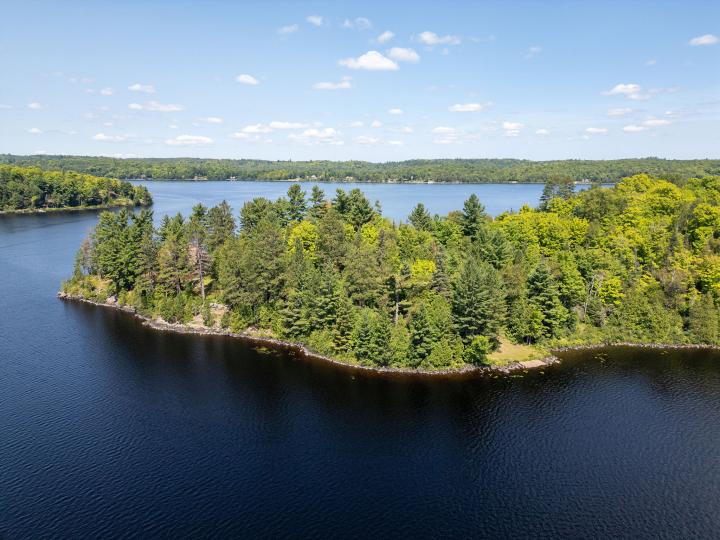
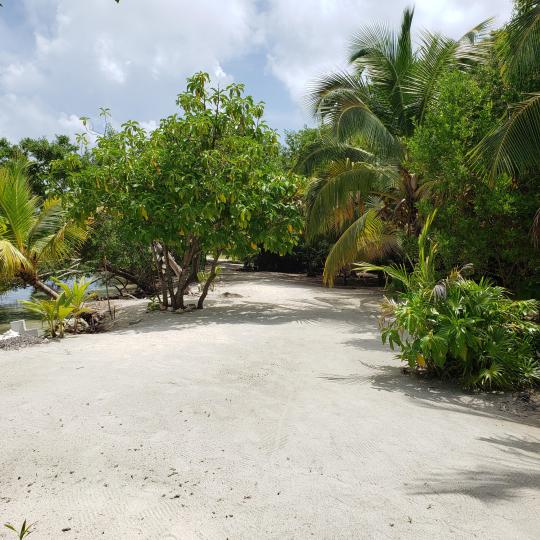
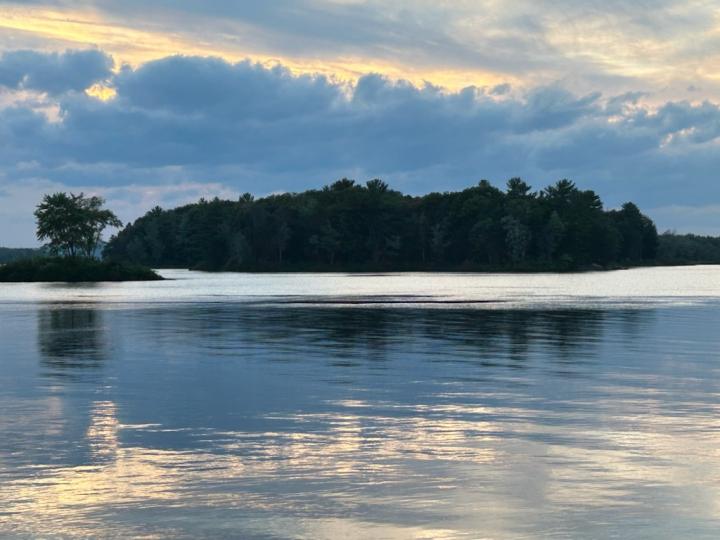
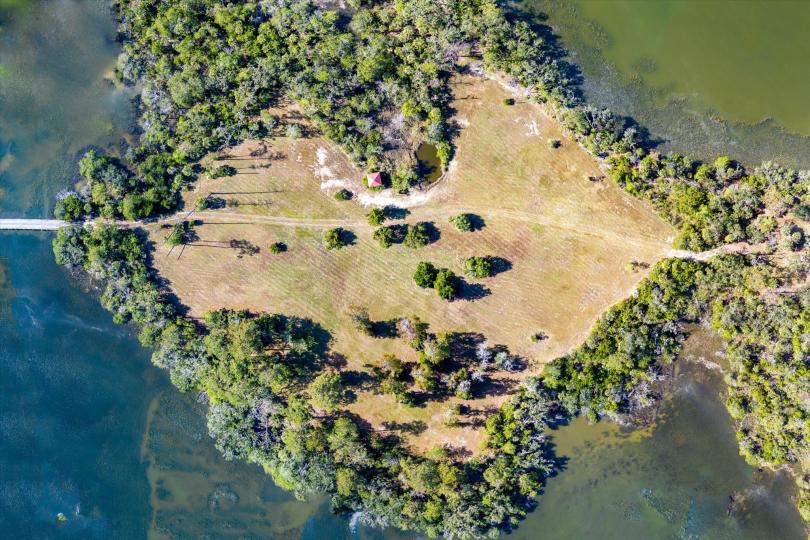
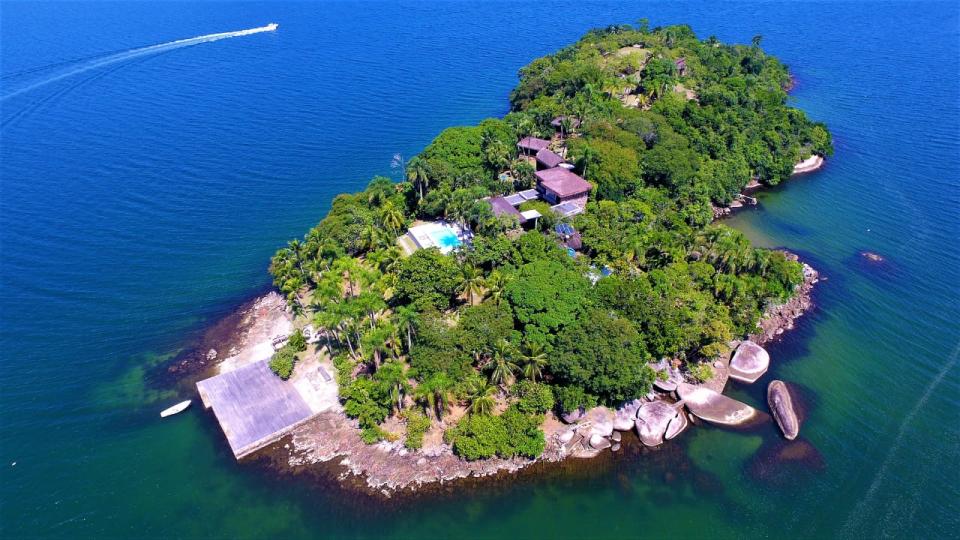
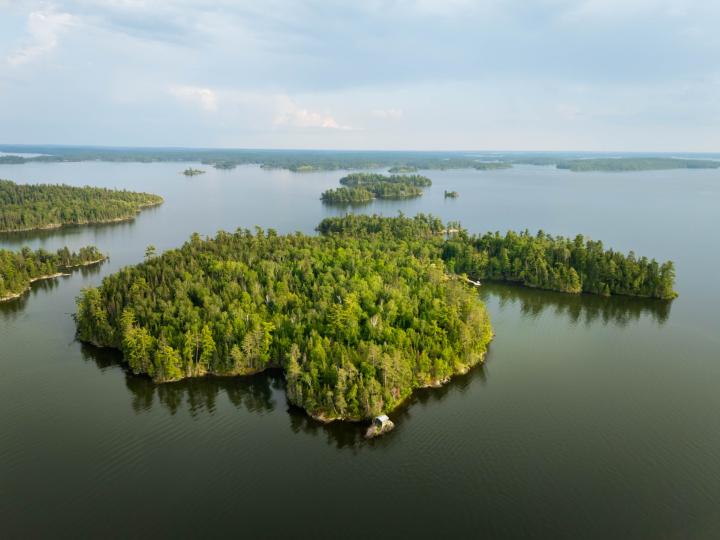
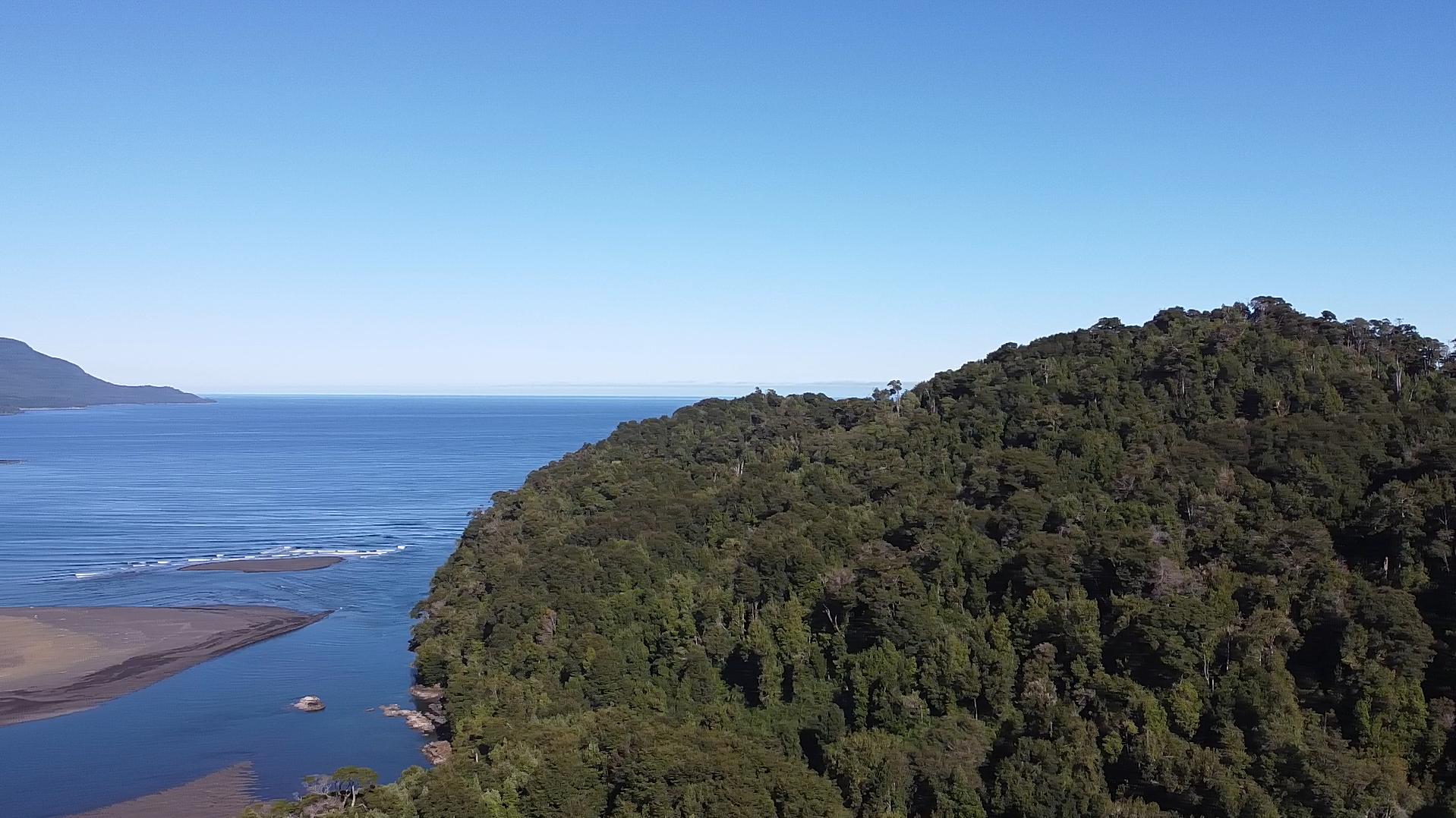
The island is fully covered in native forest, including mañíos, myrtle trees, lumas, tepú, coihues, cinnamon trees, tepa, and hazelnut trees. The landscape includes a mix of wooded areas, natural bays, and sandy sections that form a private beach. The island’s elevation rises from the coastal edge to approximately 500 meters above sea level.
The Land and Water
Puduguapi Island is bordered by the Pacific Ocean and the Yelcho River, providing both saltwater and freshwater environments. The surrounding region supports intact flora and fauna, with the island described as a sanctuary for biodiversity and natural preservation. Its location between the Andes and Chiloé contributes to a moderated climate and protection from extreme weather events.
Access and Utilities
Access to the island is available in three ways:
By land via Carretera Austral Route 7 to Chaitén Viejo, followed by nautical transport.
By air to Puerto Montt, then by small plane to the Chaitén airfield, followed by approximately 20 minutes of nautical transport.
By helicopter, landing directly on the flat portion of the island.
The Lifestyle
Puduguapi Island offers a remote Patagonian environment suited to nature‑focused projects, eco‑tourism concepts, or conservation‑driven initiatives. Its intact ecosystems, freshwater and ocean frontage, and panoramic volcanic views support activities such as fishing, wildlife observation, and outdoor exploration. With limited tourist activity in the surrounding area, the island presents an opportunity to develop a destination for visitors seeking natural landscapes and low‑impact recreation within southern Chile.