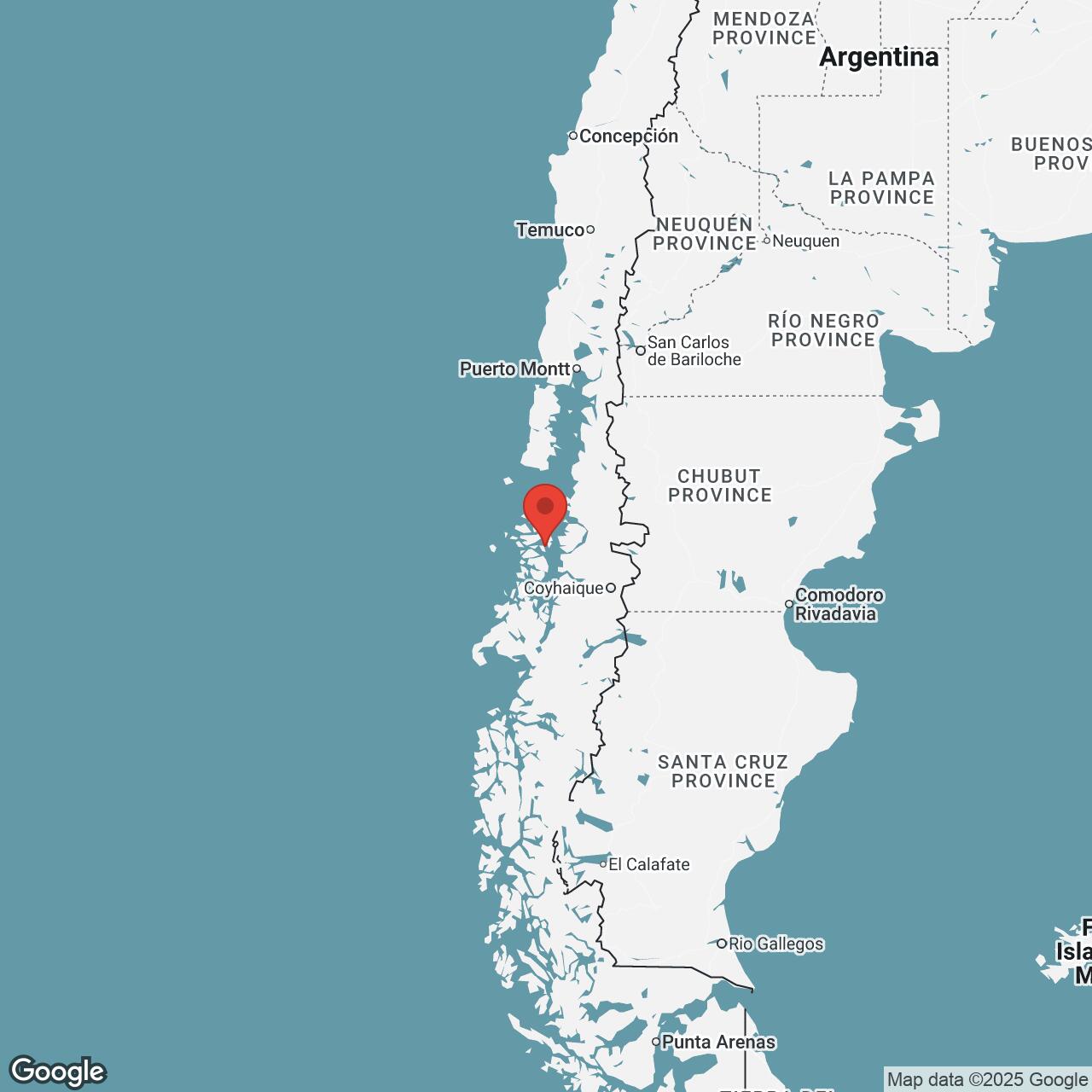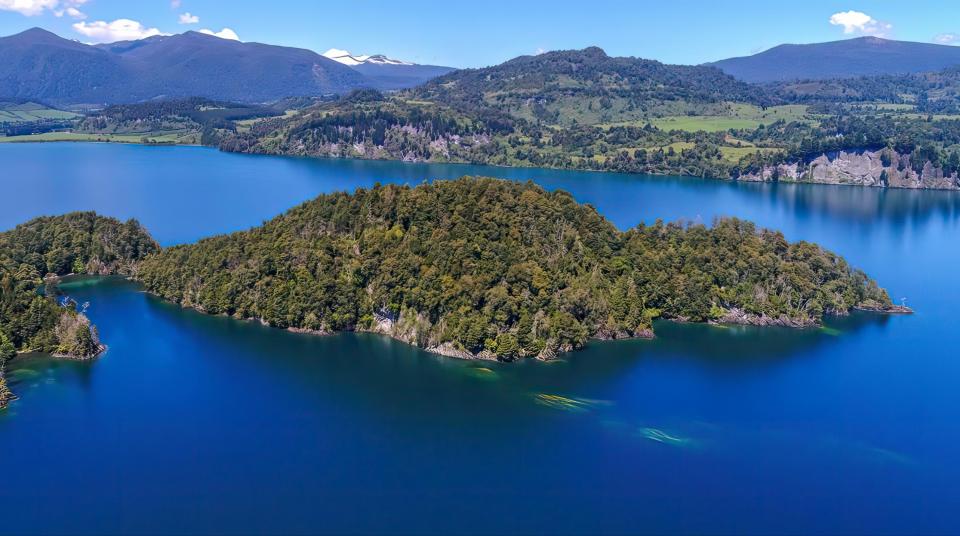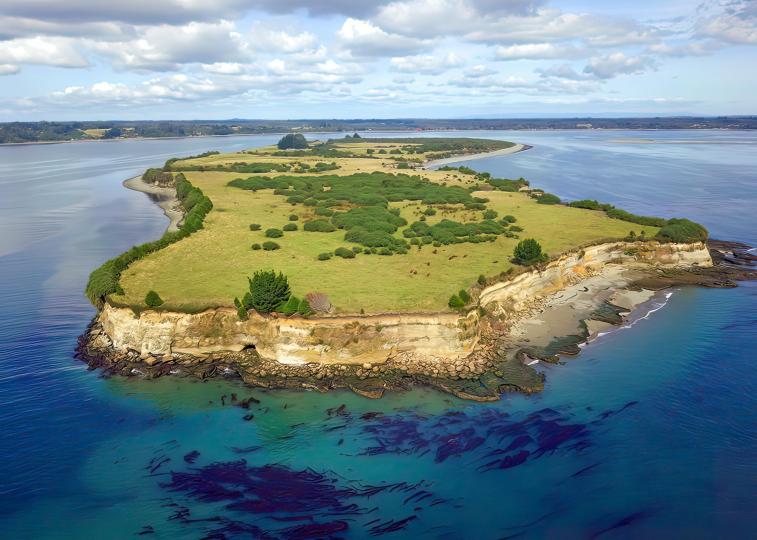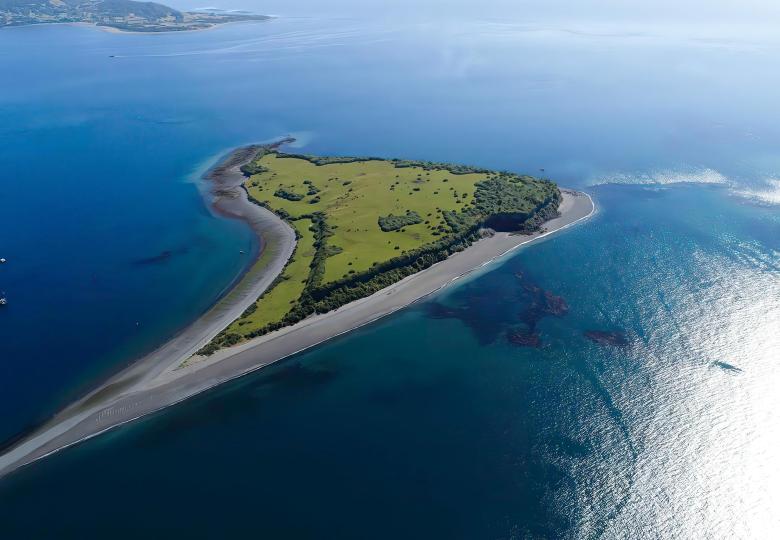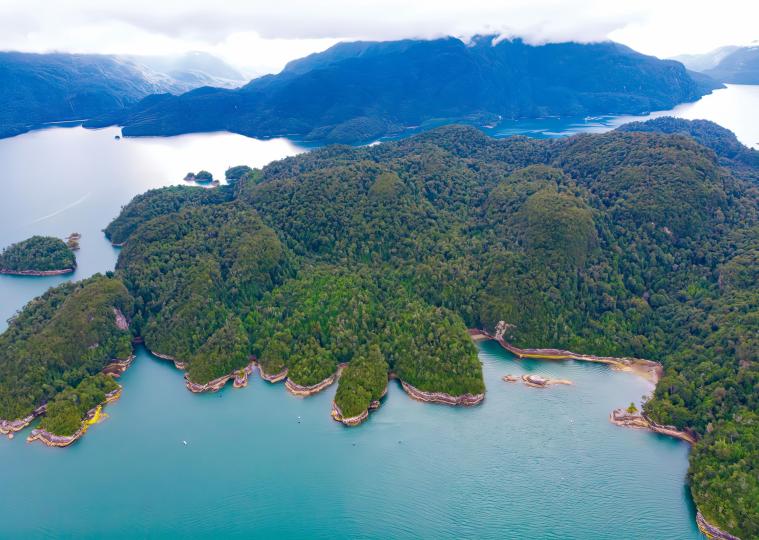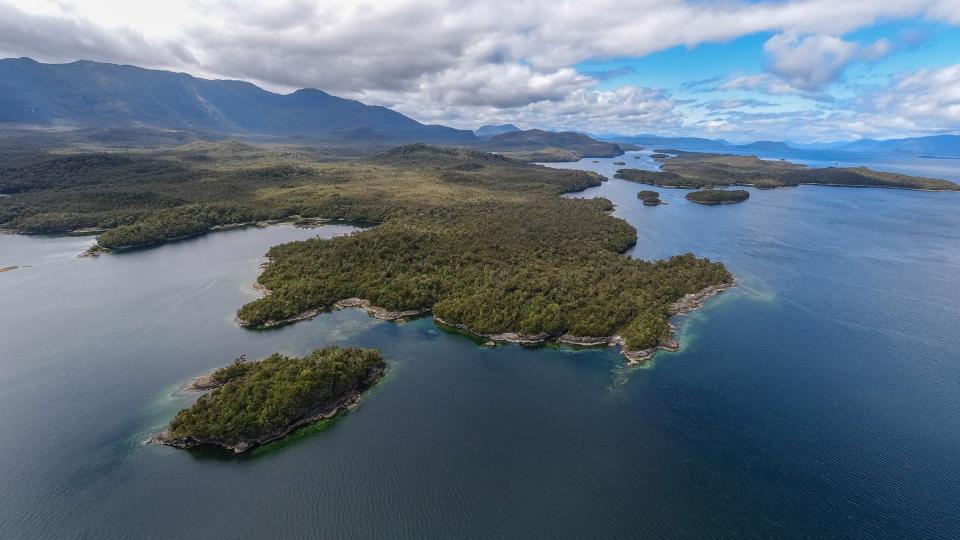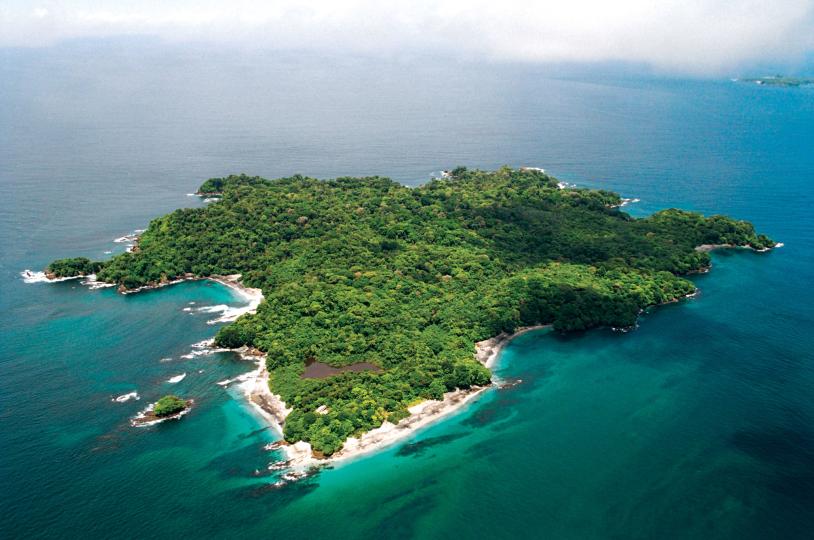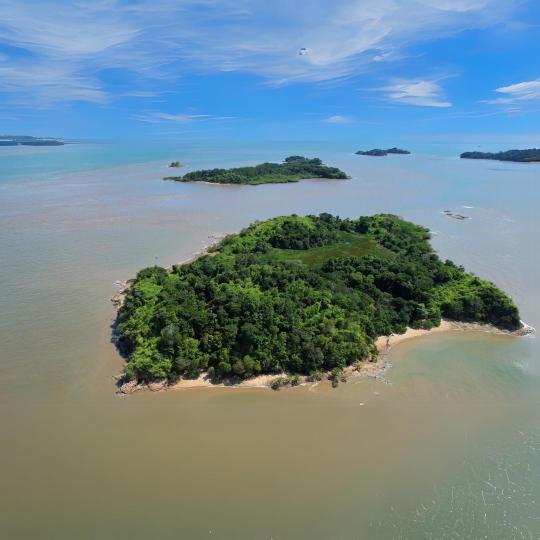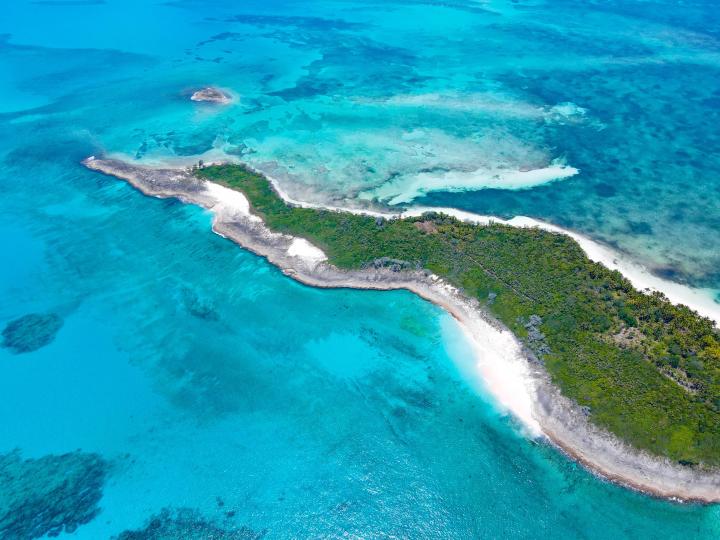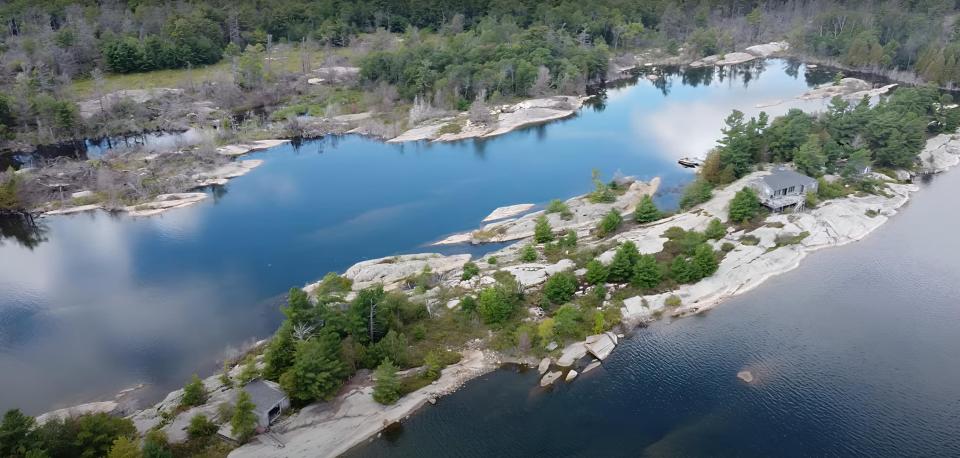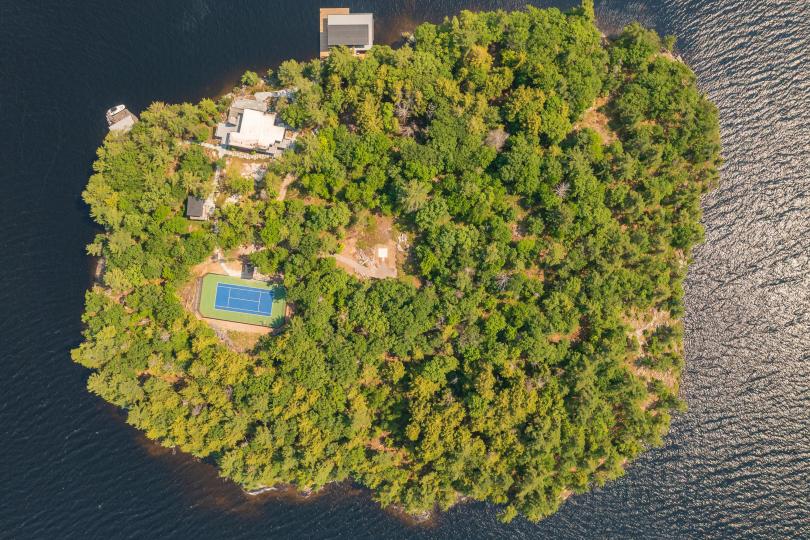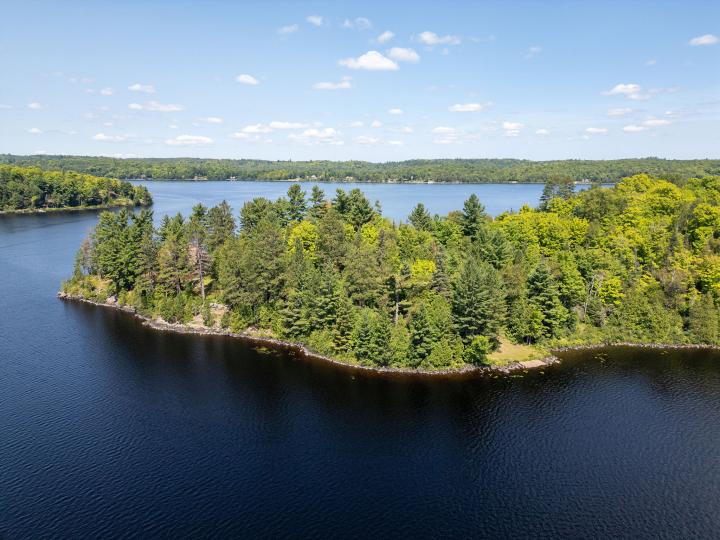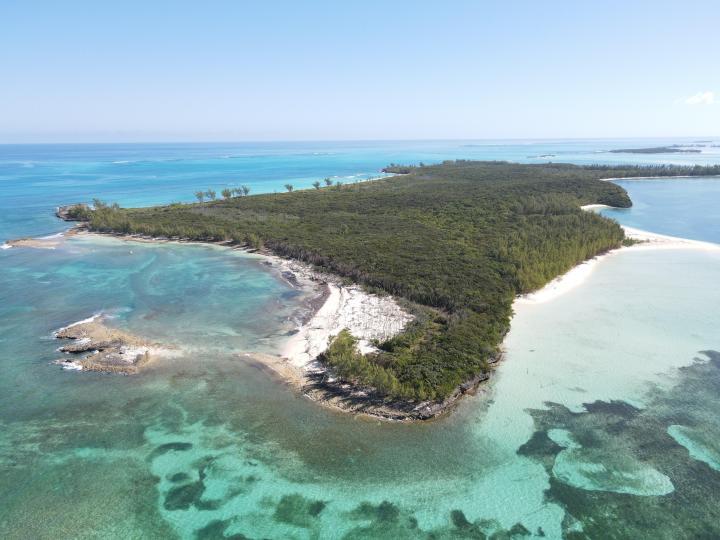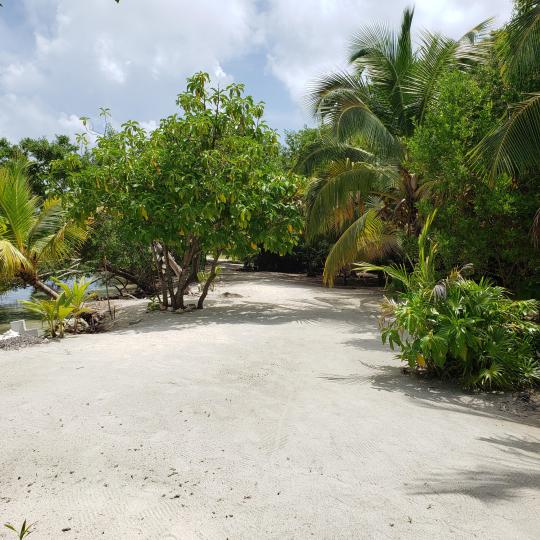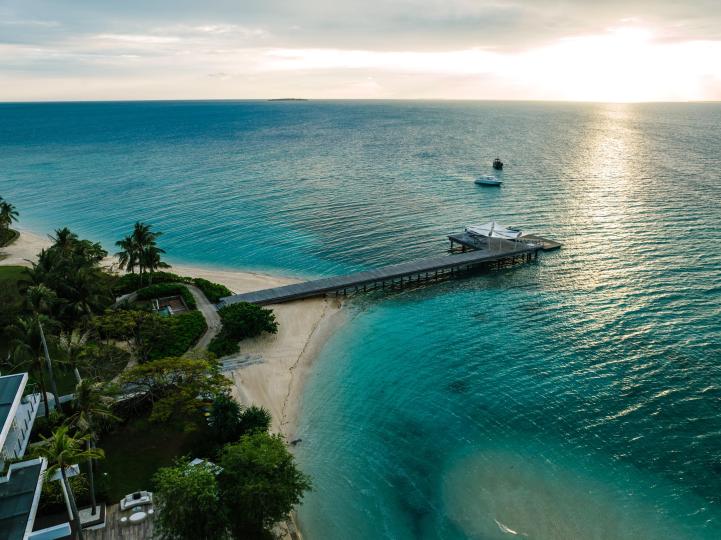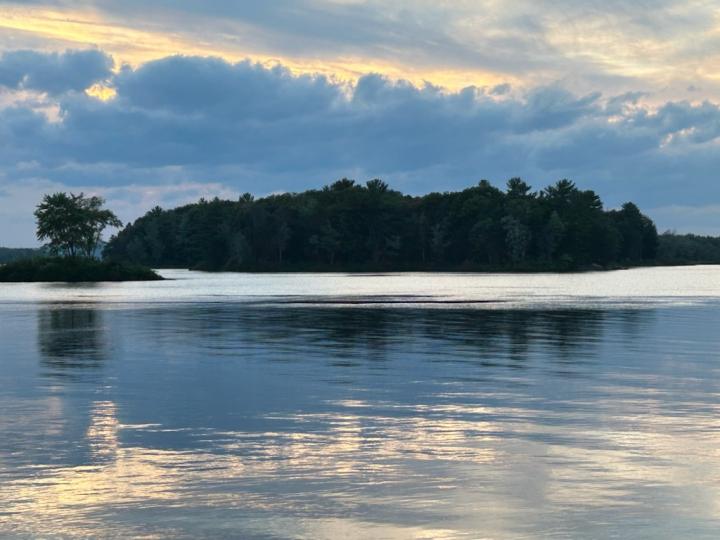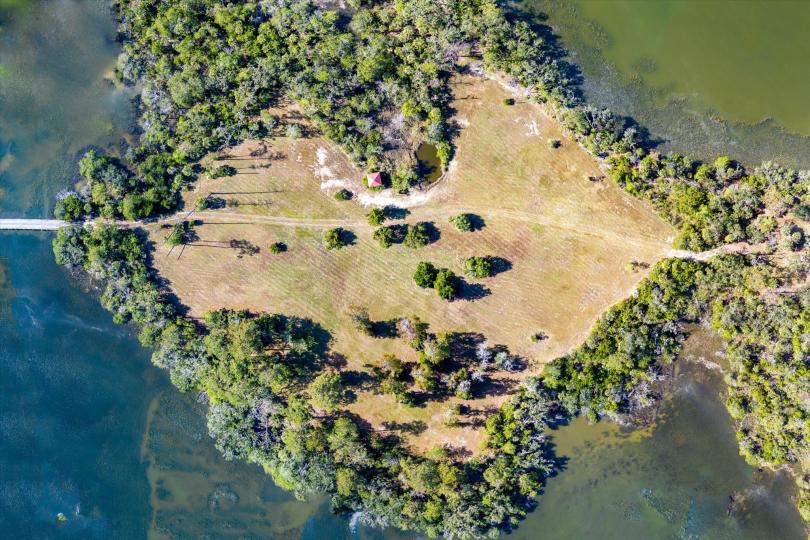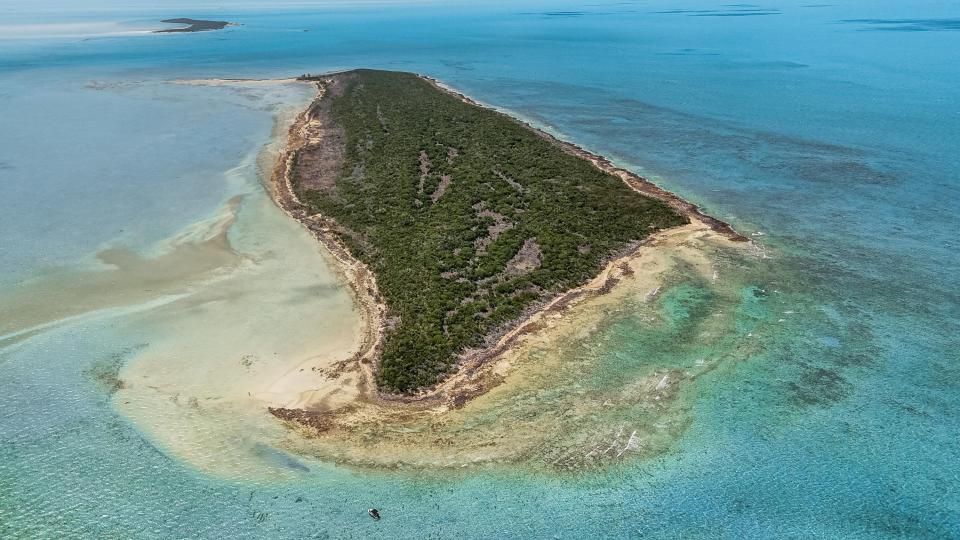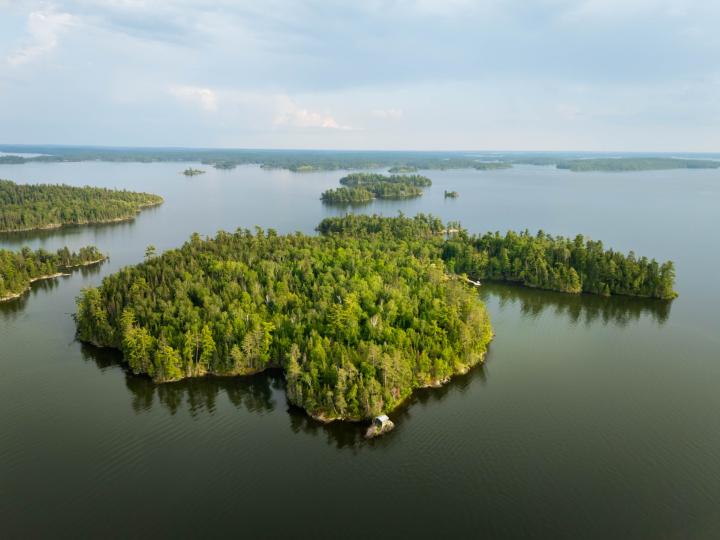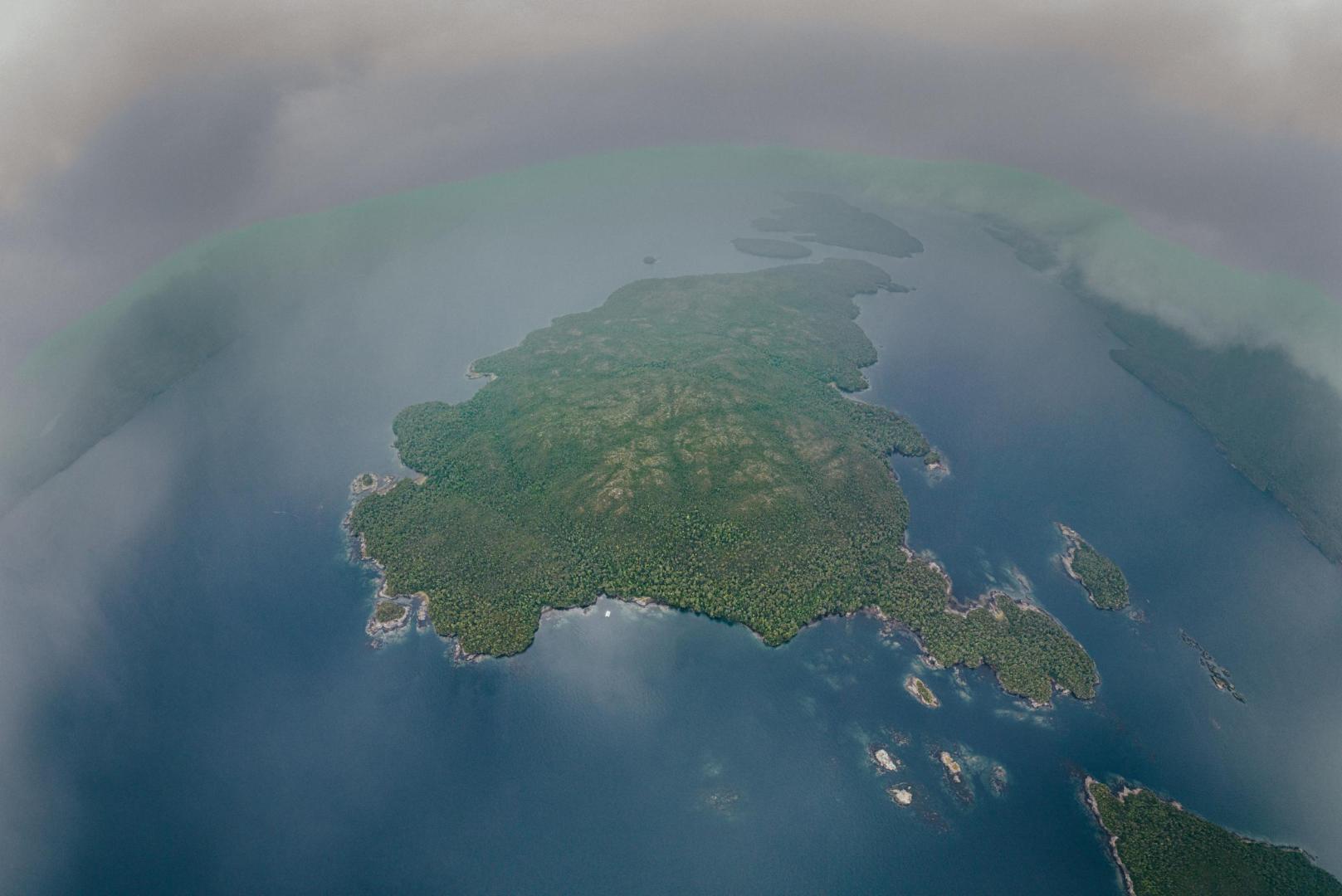
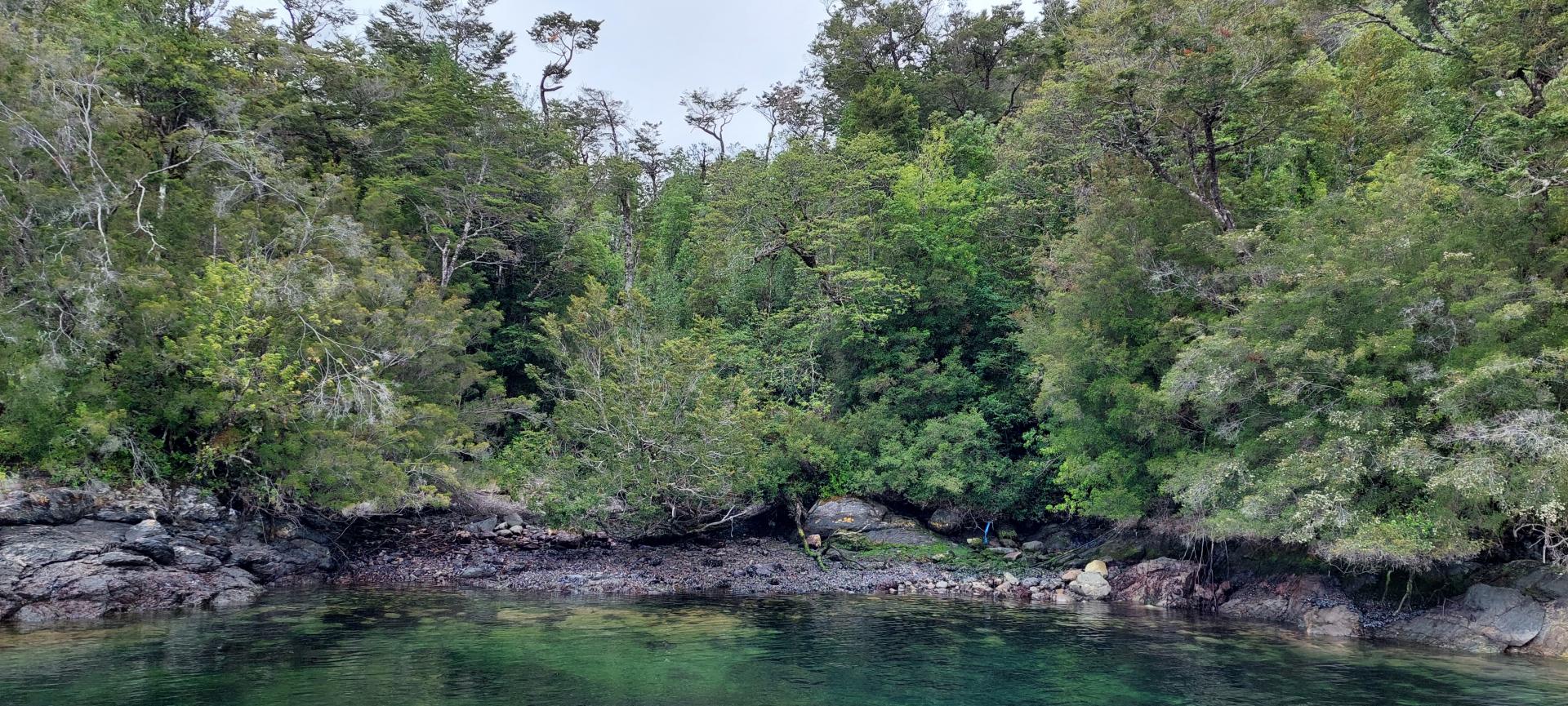
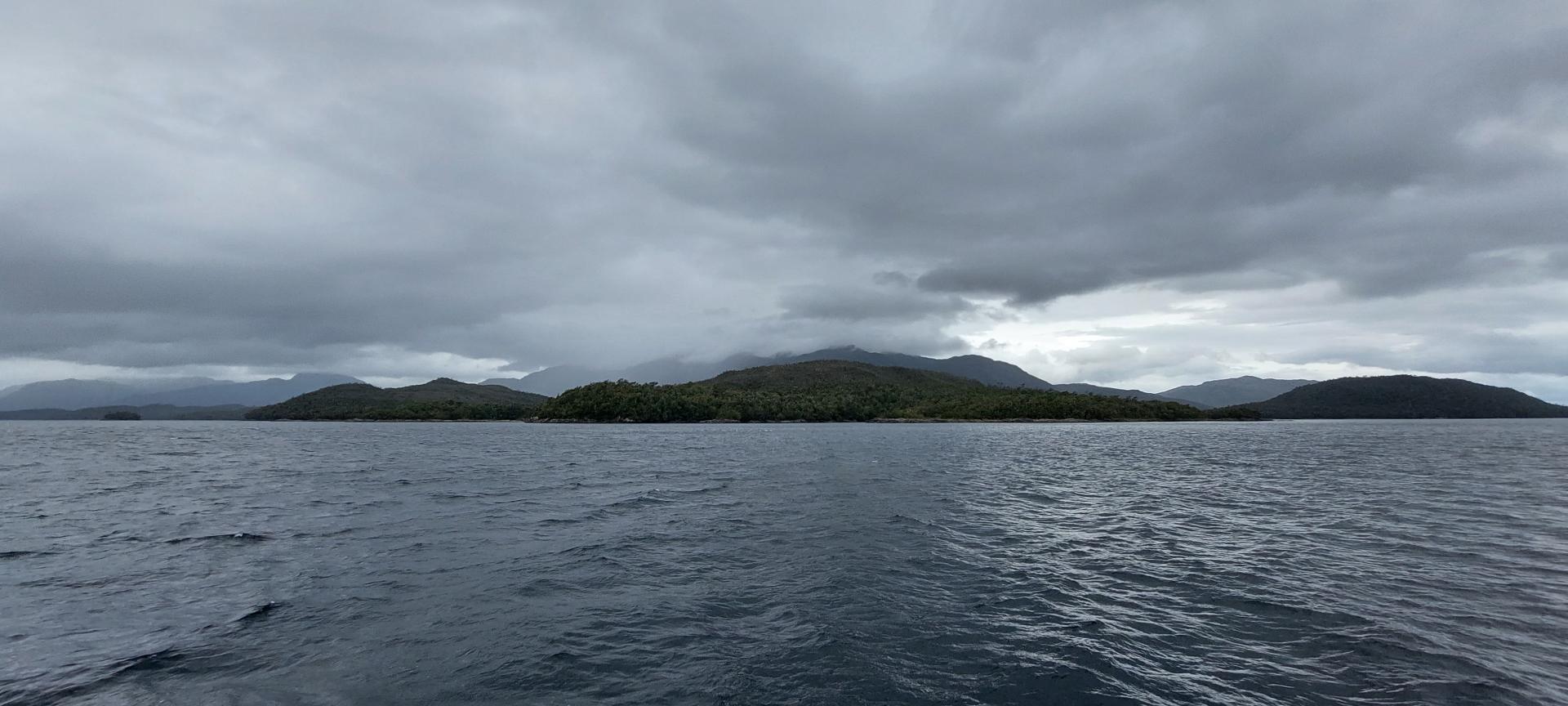
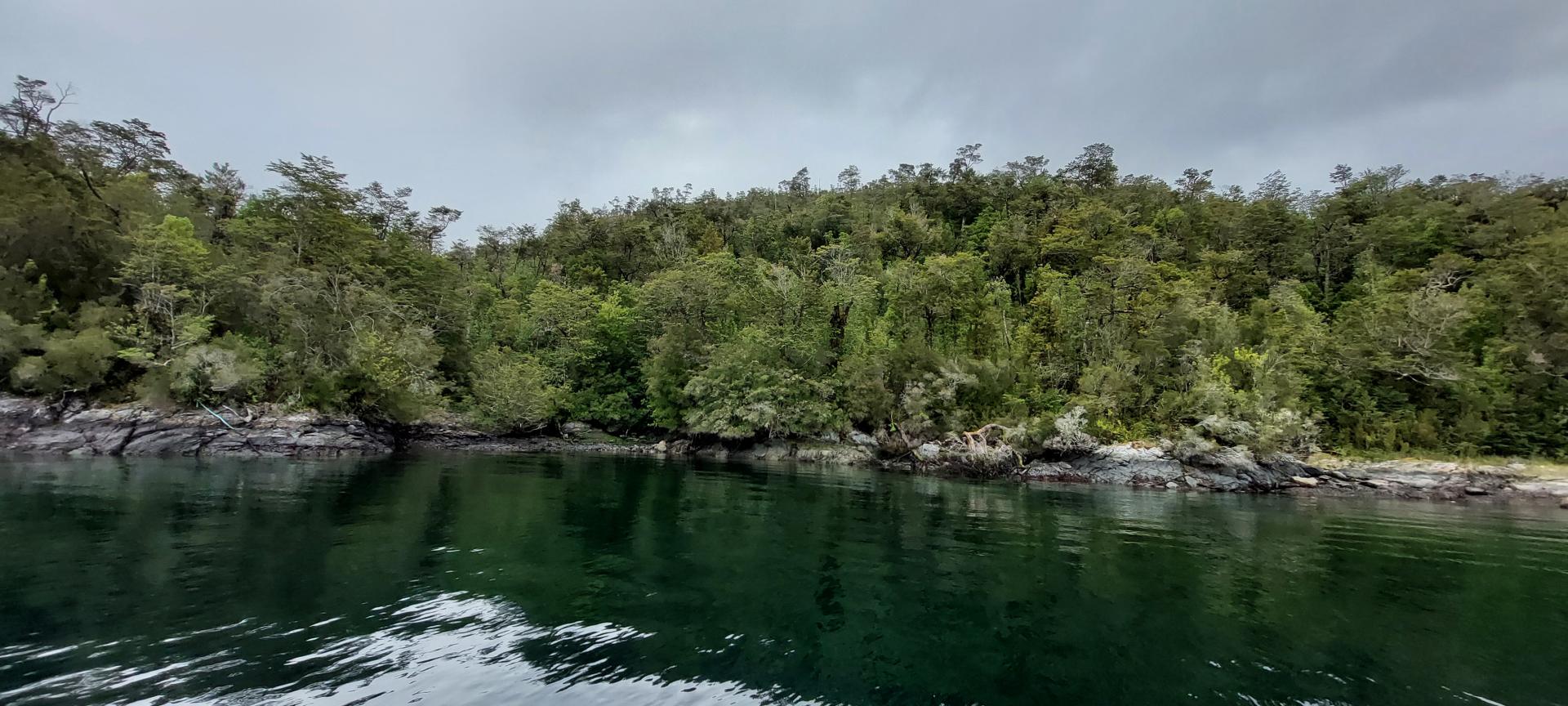
Florencia Island is a 100% virgin, undeveloped private island located within the Las Guaitecas National Reserve in Patagonia. Held under single ownership with a single legal role and no associated maritime concessions, it offers a rare opportunity to acquire untouched land within one of Chile’s oldest and largest protected wildlife areas. Its remote position in the Los Chonos archipelago supports conservation, research, and low‑impact ecological use.
The Property
The island has no infrastructure and remains in its natural state. Vegetation reflects the evergreen forest and peat bog ecosystems typical of the region, including Guaitecas cypress, Chiloé coigüe, tepú, tineo, and sharp‑leaved mañío.
The Land and Water
Florencia Island forms part of the Los Chonos archipelago within the 1,097,975‑hectare Las Guaitecas National Reserve. The surrounding waters support educational activities, adventure tourism, research, artisanal fishing, diving, and vessel transit between Aysén and Magallanes.
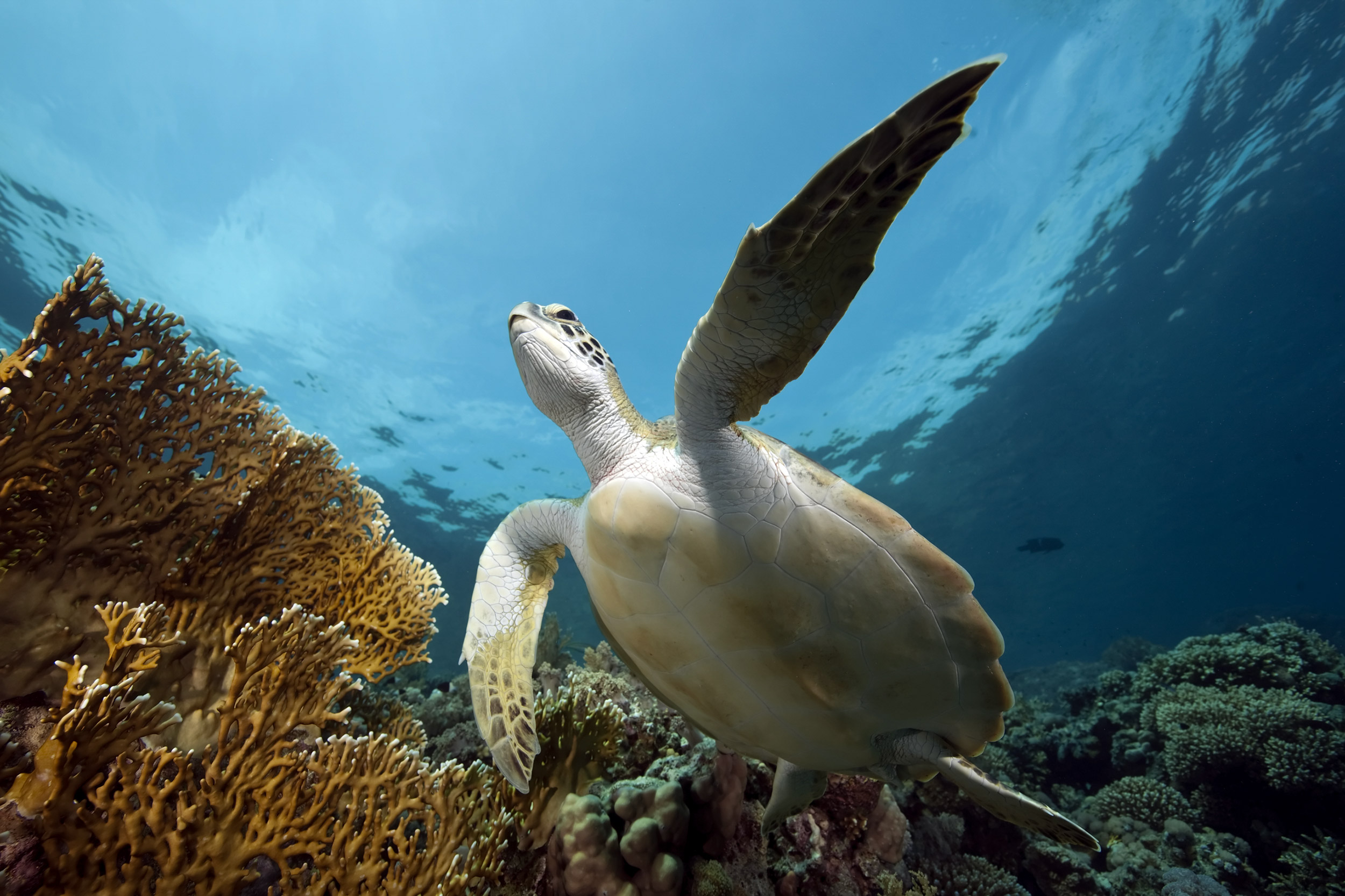
Wildlife includes penguins, petrels, cormorants, ducks, plovers, and seagulls. Terrestrial bird species include chucao, thrush, kingfisher, and cachaña. Marine and land mammals in the region include common fur seals, South American fur seals, marine otters, coypu, güiña, and pudú.
The climate is temperate and humid with strong oceanic influence, annual rainfall between 2,000 and 4,000+ mm, and average temperatures ranging from 10–13°C in January and 4–7°C in July.
Access and Utilities
From Puerto Aguirre:
Charter flight from La Paloma Aerodrome (Puerto Montt) to Caleta Blanco airfield (approx. 1.5 hours).
From Puerto Aguirre, travel 25 nautical miles by sailboat (approx. 4.5 hours).
From Puerto Cisnes:
Overland travel from Balmaceda Airport (Coyhaique) to Puerto Cisnes (approx. 4 hours).
From Puerto Cisnes, travel 52 nautical miles by sailboat (approx. 9 hours).
The Lifestyle
Florencia Island offers a fully natural environment suited to conservation, scientific study, or low‑impact eco‑tourism concepts. Its location within a major national reserve provides access to diverse ecosystems, extensive wildlife observation, and complete seclusion. With no development and no concessions, the island represents a rare opportunity to steward a pristine Patagonian landscape within one of Chile’s most significant protected areas.